In this article we take a closer look at a tourist camp in one of the most extraordinary places on earth. If you are searching for somewhere truly special to spend your holiday, the South Pole might be just the answer.
The camp's philosophy is simple: "Follow your heart. This is your adventure."
To fully appreciate the atmosphere of this place, we need to step back in history. In 2006, British polar explorers Patrick and Robin Woodhead (Patrick & Robin Woodhead) and two companions pitched a small tent to wait out a storm. They were halfway through a 1,850-kilometre crossing of the Antarctic continent and were exhausted and worn down. The blizzard raged for four days, during which the team discussed a problem they had identified: thousands of tourists who travel to see the South Pole never actually see it. Cruise ships skirt the edges of Antarctica, making a few stops at which passengers are never taken into the interior. Visitors see only the "fringe" of the ice desert, missing the chance to explore the real Antarctica and take in its breathtaking scenery. And so, inside a small tent, the idea for a new, comfortable tourist camp began to take shape.
The South Pole and a luxury tourist camp
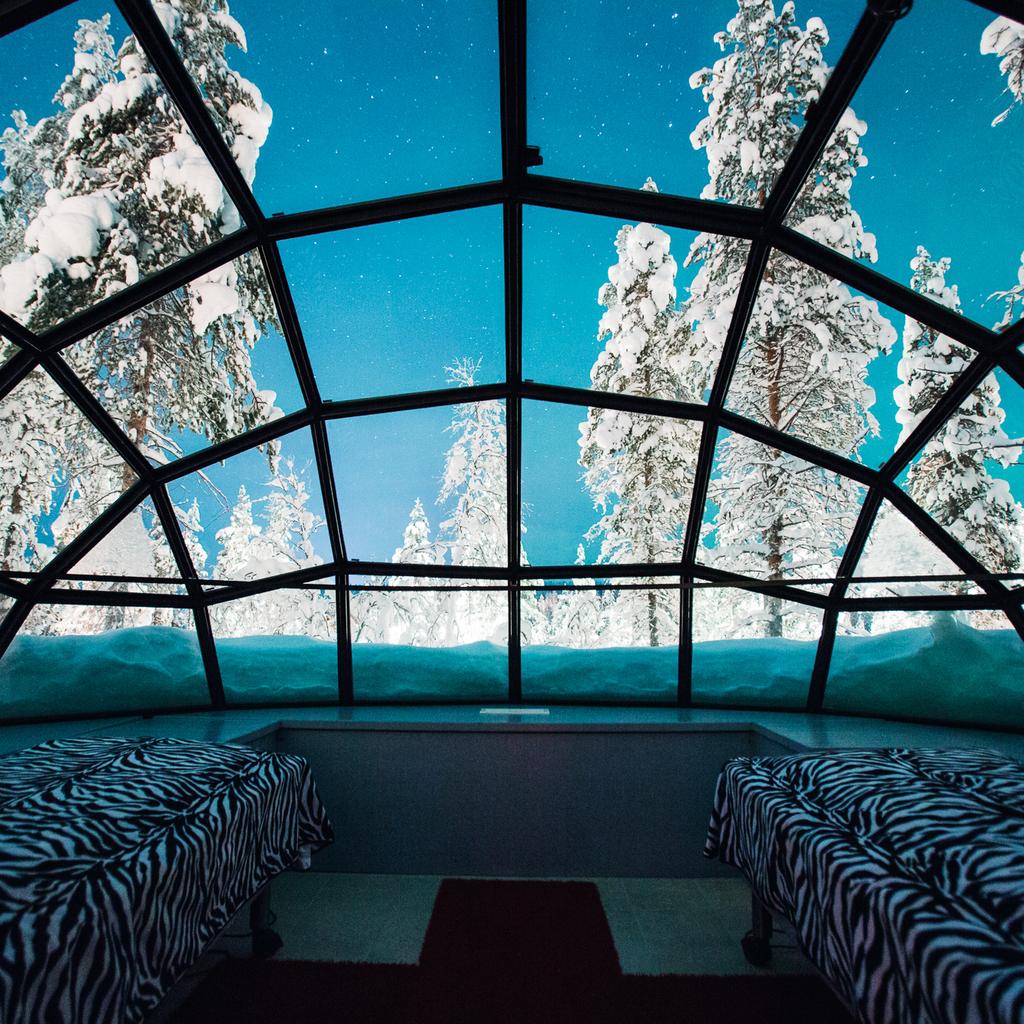
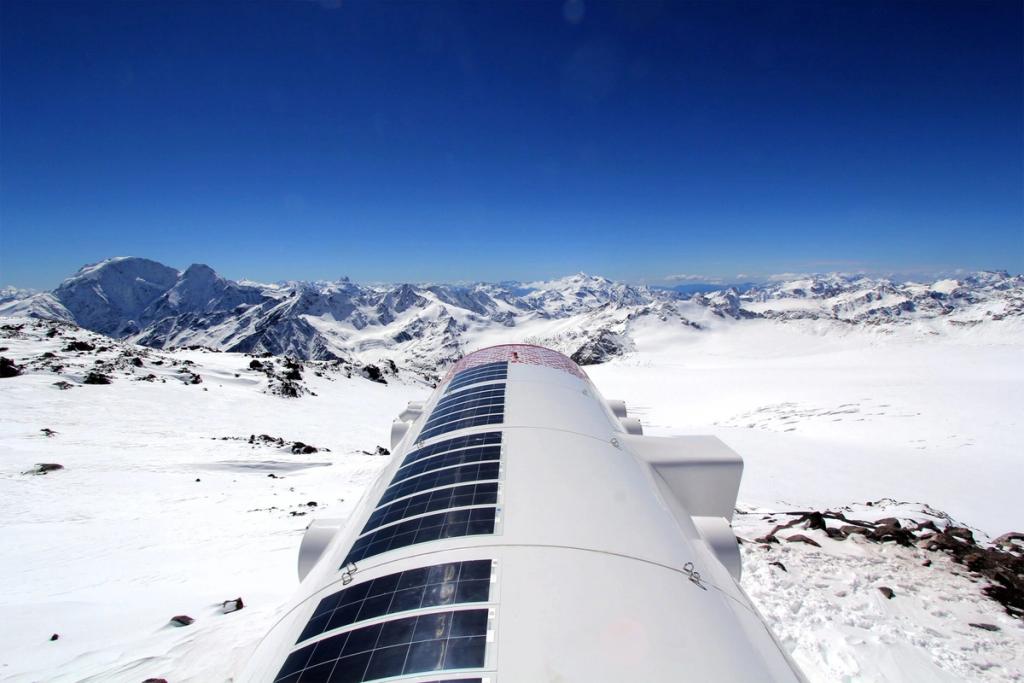
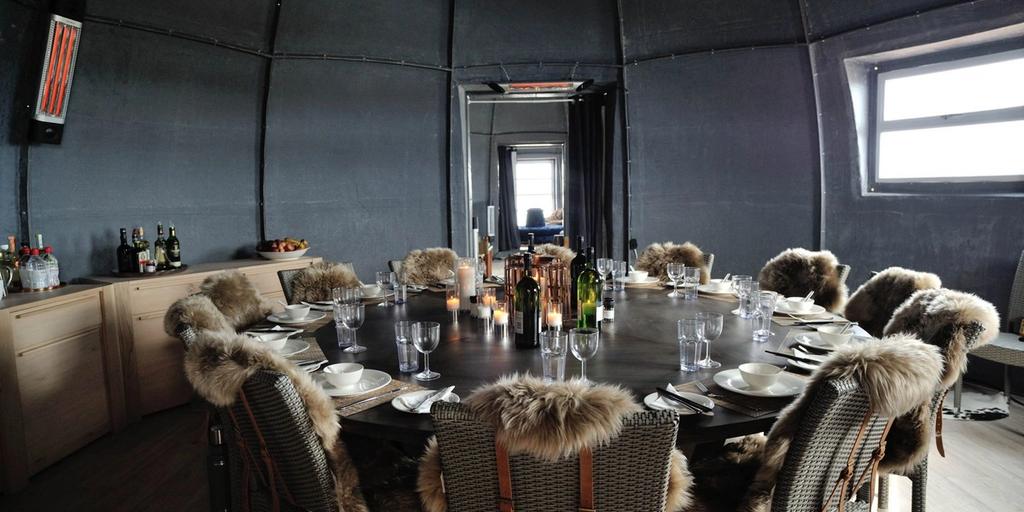
The dream became reality ten years later. On the edge of the Schirmacher Oasis, at an altitude of approximately 2.8 km above sea level, sits the camp White Desert, It comprises six "dwellings" designed by Ryan Ashworth (Ryan Ashworth). The structures are spherical, constructed from fibreglass, and each measures six metres in diameter. A couple's cabin accommodates a double bed, a writing desk, a washbasin and a toilet. Solo travellers are housed in cabins divided into sections. The remaining structures contain a shower room, a dining room, a library and a kitchen. Food here is not served from the tinned rations typical of polar expeditions — it is prepared by chef Justine Lindsay (Justine Lindsay), who previously travelled the world as a cook with the Mercedes AMG Petronas Formula 1 team.
Perhaps White Desert would not be as remarkable were it not for its interiors, which lend the camp a restrained sense of luxury and maximum comfort in the harsh conditions of Antarctica. Guests can unwind on soft leather furniture surrounded by deep-pile rugs. All the furniture was created by one of the twentieth century's most influential architects and furniture designers — Eero Saarinen (Eero Saarinen).
The bathroom and washroom amenities are supplied by the eco-conscious brand Lost Explorer. The brand was founded by David Mayer de Rothschild (David Mayer de Rothschild) — a British explorer, environmentalist and head of the charitable organisations Adventure Ecology and Myoo Create.
The camp is fully eco-friendly, running on solar and wind energy and operating in strict accordance with the principles of ecotourism. White Desert founders Patrick and Robyn Woodhead are proud to note that they go beyond those principles and follow their own policy of "zero impact". To that end, all waste is transported from Antarctica to South Africa for disposal.
To immerse yourself in the atmosphere even further, watch a short video in which Patrick Woodhead himself talks about the camp (in English).
Guests can choose from three main 8-day itineraries:
Tour 1 combines a visit to emperor penguins with a flight to the lowest point on Earth — the geographic South Pole. The penguins, incidentally, have no fear of people, so visitors are permitted to approach within two metres.
Tour 2 also includes a visit to the penguins and a climb up an 8 km rock face. Tourists can choose from different levels of difficulty — from the most leisurely, where you can simply take in the views, to the most challenging, where your legs tremble from a mix of fear and exhilaration.
Tour 3 offers the most comprehensive exploration of the South Pole: guests can expect a rock climb, a journey through the winding ice tunnels inside a glacier, a visit to the penguins, and trips to both American and Russian research stations. At the Russian base, there is also the option of a traditional banya sauna. Lunch and champagne are then served to celebrate a successful expedition.
In addition to the main tours, camp guests can fill their free time with a wide range of activities — from the extreme, such as kitesurfing, to the leisurely, such as a picnic or lessons in polar exploration skills.
The camp's staff goes to every length to ensure that each guest — whatever their interests and needs — remains engaged and comfortable throughout their stay at White Desert.
All of this gives White Desert Camp every right to claim a place at the very top of any adventurer's, traveller's, or curiosity-seeker's bucket list.
Is the South Pole too far away? Find inspiration for journeys to extraordinary places in our collection of short films about breathtaking landscapes, vast oceans, and even surfing in the Arctic Ocean.
Photos: White Desert Gallery