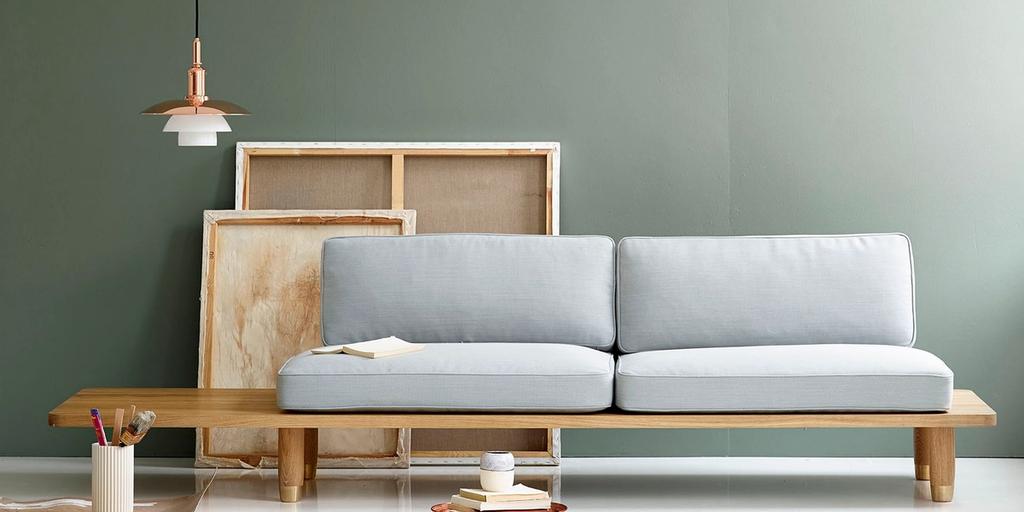
Designing a minimalist studio apartment is a genuine challenge. Where do you store your belongings? How do you fit a bedroom, living room, kitchen and home office into a single room while staying true to minimalism?
Together with M3 Architects, we have put together a guide to creating a functional and minimalist studio apartment. At the end of the article you will find a list of the inspiration resources used by the M3 Architects team.
Guide: how to design a studio apartment
1. Divide the space
Every living space needs a minimum set of zones: bedroom, kitchen, living room and bathroom. Before dividing the space into zones, consider where you spend most of your time. Do you need a home office, a children's play area, or do you enjoy watching films with friends? Your answers will determine the size of each zone — and may reveal that some of them are not needed at all.
Use furniture
Furniture solutions are a practical way to divide a space:
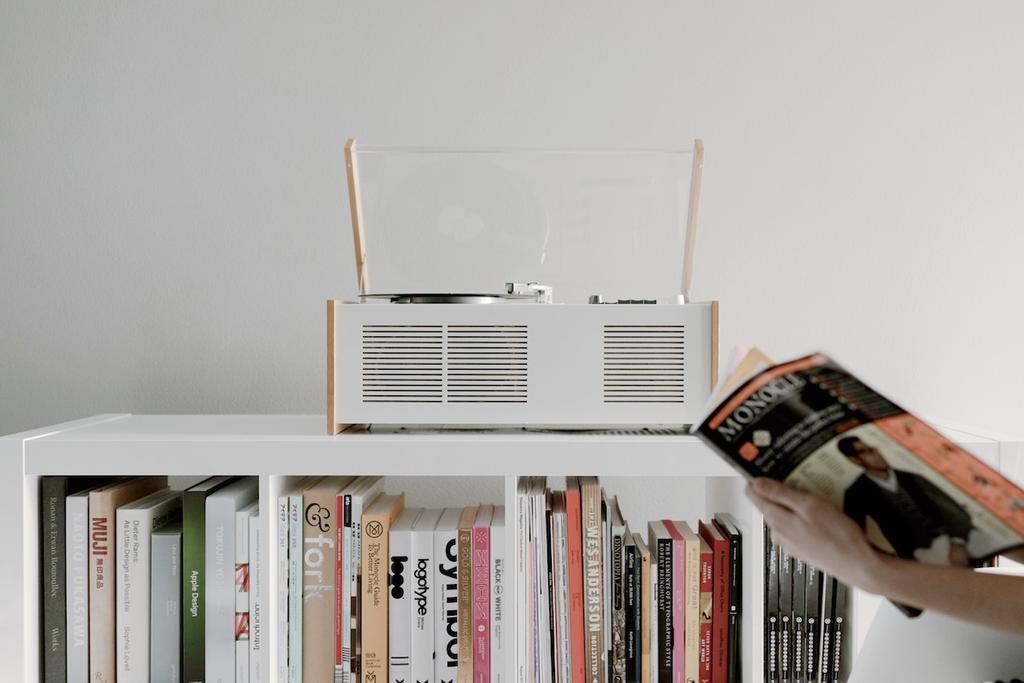
— An open shelving unit or storage system. Avoid piling too many things on the shelves — they will create unnecessary visual clutter.
— A bar counter. It is an easy way to separate the kitchen from the living room. Use the counter as a dining table — an excellent space-saving solution.
— A partition or screen. These can elegantly divide the hallway or bedroom from the rest of the space. There is no shortage of such dividers. The key is to avoid solid partitions: they will noticeably shrink an already compact interior.
Use light
— A ceiling light. It can highlight a specific zone and even set the overall style of the space.
— Minimalist floor lamps. They will unobtrusively mark the boundaries between different 'rooms' and bring more light into the space.
Use different levels
— A platform. Place the bedroom or living area on a raised platform and use the space beneath it for storage. A contemporary variation is to recess the mattress into the platform itself.
— A loft bed. This solution makes excellent use of limited space. Place a home office, a living area or a lounge zone beneath the bed.
Tip
— Do not divide the space using furniture alone. Make use of platforms, curtains, low-profile and mobile partitions. Aim for a minimalist, functional space.
2. Do not cut corners on materials
Finishes are the canvas of an interior. If you find yourself choosing between quality materials and expensive furniture, opt for the former. A beautiful, costly sofa will do little for you against a backdrop of bubbling linoleum and visible wallpaper seams.
Walls
Use paint and decorative coatings such as micro-cement and fibre cement. These finishes are easy to refresh and do not eat into the space visually.
Floor
Choose matte or semi-matte surfaces: deck boarding, quartz self-levelling floors, parquet, laminate (imitating natural flooring), or natural or artificial stone.
A useful trick: lay the same type of flooring throughout the entire apartment. This will visually open up the space.
Ceiling
Stretch ceilings and multi-level ceilings with built-in lighting are a firm no. They will physically reduce the height of the apartment, and if damaged will need to be replaced entirely.
Remember: the simpler, the better. If you want to install concealed lighting, drop the ceiling by no more than one level (10–12 cm). But the ideal option is simply to paint the ceiling in a light colour. Minimalist and practical.
Tips
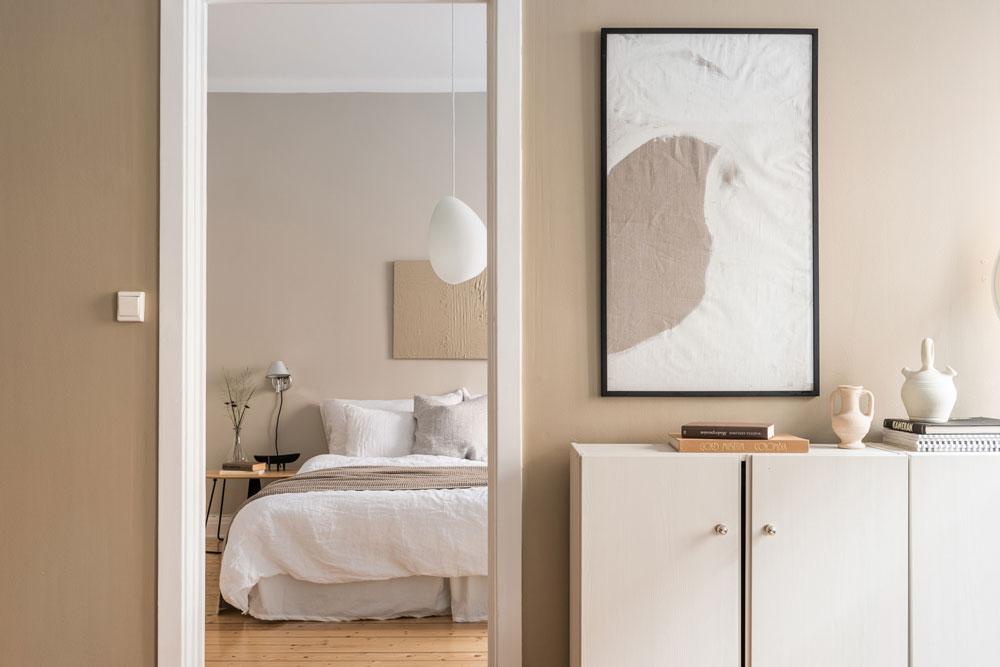
- A minimalist style does not necessarily mean sticking to a monochrome palette. Feel free to choose any light, natural tones.
- Be careful with different wall colours. They can easily define the boundary between functional zones, but can just as easily make a space feel visually smaller. If you do want to make a feature wall, set it apart with a different material or colour altogether. It is better, however, to keep surfaces in a single tone and introduce colour through décor instead.
- Walk straight past photo wallpaper and textured materials. Don't waste time choosing patterns and prints for your walls. All of these absorb space in the same way.
3. Choose ergonomic furniture
Picking furniture on the basis of "What a lovely sofa — let's take it!" is not an approach for owners of a small apartment. Furniture must be not only attractive, but also meet several key criteria.
Transformable furniture
A great option for saving space. If you are not in a rush, keep an eye on projects on Kickstarter. There you will find stylish and practical furniture.
Functional furniture
Choose quality multifunctional furniture. An ordinary coffee table is no match for a solid pouf with a hidden storage system — you can place a vase on it, sit on it, and tuck things away inside.
Light-coloured furniture
Choose furniture in light, clean-lined tones. It will serve as a versatile base for bold textiles. After all, it is far easier to swap out tired cushion covers, throws and curtains than to replace the furniture itself.
Tips
- Don't get carried away with small furniture pieces — they will only draw attention to the limited space.
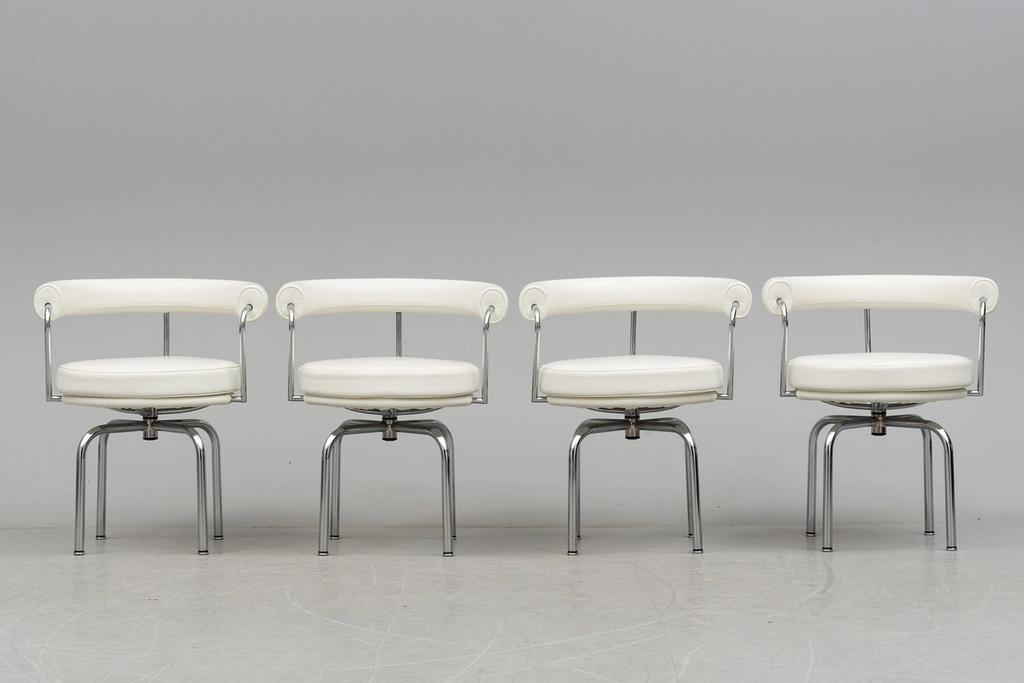
- For a minimalist interior, furniture with simple geometric forms works best. Opt for pieces made from wood, matte glass, steel, aluminium, fabric and leather.
4. Light the space correctly
You can spend a long time choosing furniture and selecting wall shades, but with poor lighting you will end up with a flat room full of dark corners and overlit patches.
Designers distinguish five types of lighting. You don't need to use all of them, but some are essential.
Natural light
Windows are your greatest allies when arranging a small space. Choose light-coloured frames with as few mullions as possible. Where you can, replace standard windows with floor-to-ceiling ones. Use sheer curtains that run the full height of the wall — they visually elongate the room.
Ambient lighting
When you walk into a flat, you turn on the architectural lighting: ambient or functional. This might be ceiling fixtures, a chandelier or a floor lamp — anything that produces diffused light reflected off the ceiling and walls.
Task lighting
Task lighting will save your eyesight and keep your fingers intact. Areas where it is essential: above the hob and worktop, above the dining and work table, and beside an armchair or sofa where you read or work. For task lighting, choose desk lamps, floor lamps and pendant fixtures.
Accent lighting
Accent lighting helps you appreciate the vases, photographs and figurines on your shelves and in your niches. It brings a flat to life, adding dynamism and warmth. For this purpose, choose picture lights or integrated shelf-lighting systems.
Decorative lighting
Like accent lighting, decorative lighting is non-essential and carries no serious functional purpose. This type of lighting is itself a decorative element, its role fulfilled by candles and ornamental lamps.
Tips
- Do not use fluorescent lights as ambient lighting. They create the feel of a hospital ward.
- Do not overload a small room with too many light fixtures. You risk turning a studio flat into a lighting showroom.
- Use the online calculator. It will help you work out the right number of fixtures and their wattage for your flat.
- Consider a dimmer system that allows you to raise and lower the intensity of the light. It will help you set the right mood and atmosphere at home.
5. Give your flat a personality
Keep your décor simple and restrained. Individual pieces should not clamour for attention or distract from the room as a whole. Their primary role is to fill the flat with interesting nuance and express its individual character.
Textiles
If you enjoy periodically reinventing your interior, pay attention to cushions, curtains and throws. Experiment with colours and play with half-tones. Swapping out one set of cushions and curtains for another takes little effort, yet the room instantly takes on a fresh look.
Mirrors
Position a mirror so that it reflects light from the window — the apartment will feel brighter. And the glow from floor lamps will add a greater sense of warmth.
Choose good-quality mirrors. Look for them from reputable brands, or, as an alternative, at flea markets. There you can find beautiful antiques that lend the interior real charm.
Steer clear of sliding-door wardrobes and similar furniture with mirrored panels. The glass in these is far too thin — it is easily damaged and distorts reflections.
Art objects
Resist the urge to simply buy something for the sake of it. In a small apartment, every detail draws the eye and sets a particular tone. Choose each element with intention.
To avoid visual noise and the impression of clutter, keep three rules in mind: Group varied objects by shape or colour. Do not get carried away with small items. Do not clutter the open surfaces of shelves.
Tips
- If you are unsure about combining shades, stick to no more than three colours.
- Symmetrical arrangements add harmony. Place two vases, sculptures, houseplants or lamps symmetrically on either side of a console's central axis. Make sure the objects are similar in form — their colours can differ.

Find your inspiration
The team at M3 Architects has shared a collection of resources for inspiration. Browse, explore and create your own minimalist space — one that rests not only the eye but the soul.
Form & Frame — writes about architecture, interior design and landscape. Occasionally drops in on celebrity homes and shares photographs.
Design Milk — writes about contemporary architecture, interiors, furniture design and new technologies. They record a podcast called 'Clever' about design. They recommend consuming it in full.
Home Designing — writes about trends in home technology and developments in interior design. Publishes photo tours of apartments and analyses their design in depth.
Interiores Minimalistas — writes about interiors, décor and furniture. Publishes design news. Downside: the texts are in Spanish. Upside: beautiful imagery.
Archilovers — a hybrid of social network and professional community for architects and designers. The site makes it easy to follow architects' work and find blogs and projects thanks to filtering across a wide range of parameters. The app on iOS is closer in feel to Instagram.
Dezeen — a prestigious and widely read online magazine covering architecture, interiors, design and technology. On the site you will find an abundance of quality content and just as much inspiration.
An interesting fact: in 2012, Tim Cook showcased the Dezeen website on the new iPhone during an Apple product presentation.
ArchDaily — an entire universe of architecture. On the site you will find the finest projects, articles, interviews, events and even architectural city guides. In addition, ArchDaily publishes articles on new building materials and regularly updates its curated selection of design books and magazines.
Photography credits: Room Design Buro, Bloglovin, Coco Lapine Design, Home Designing, Form & Frame