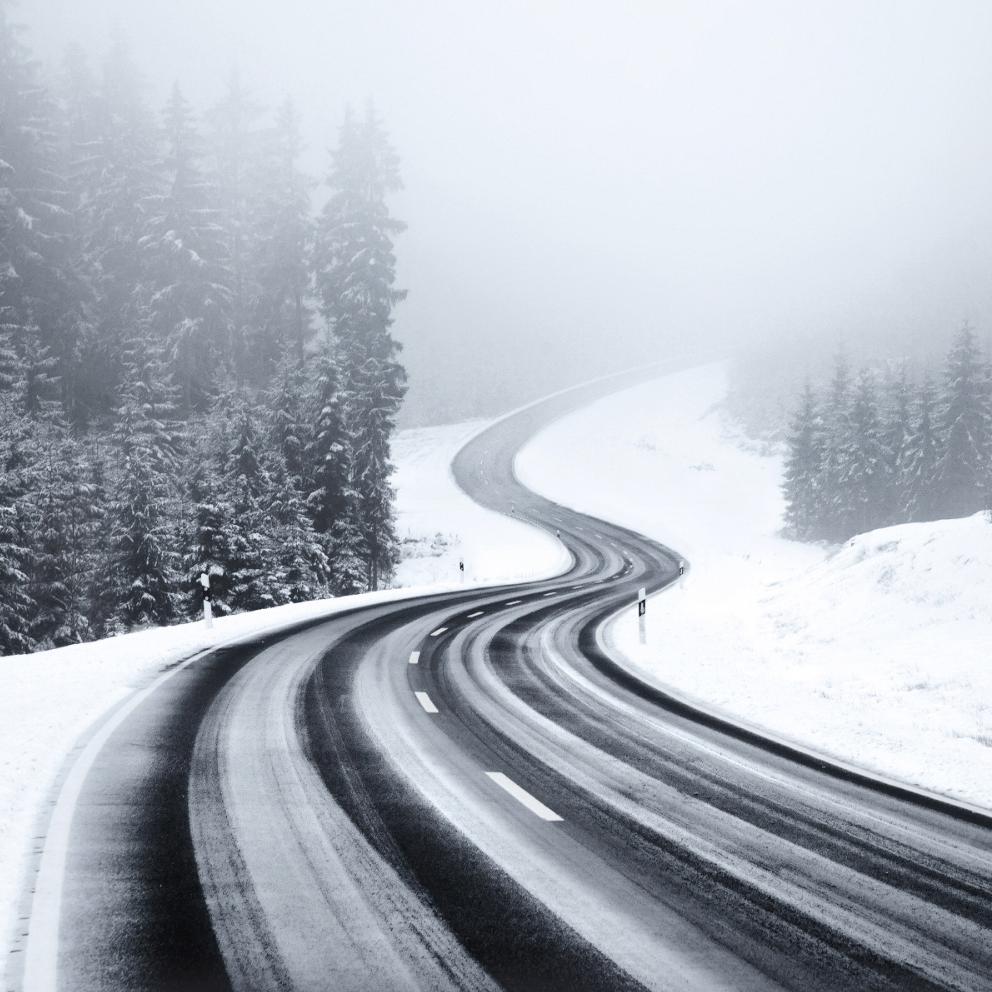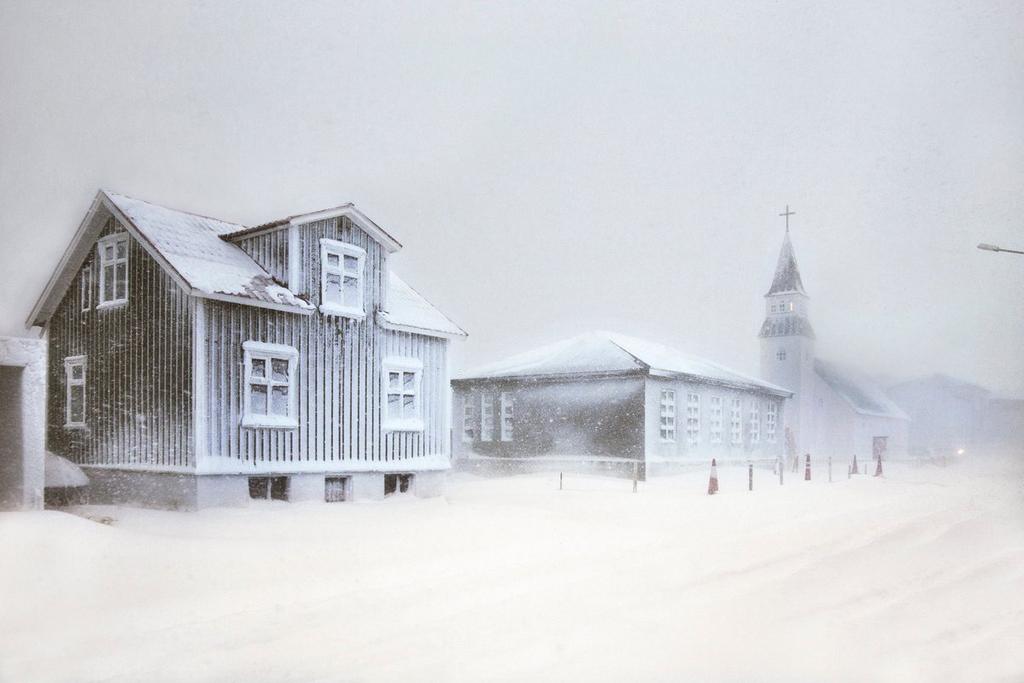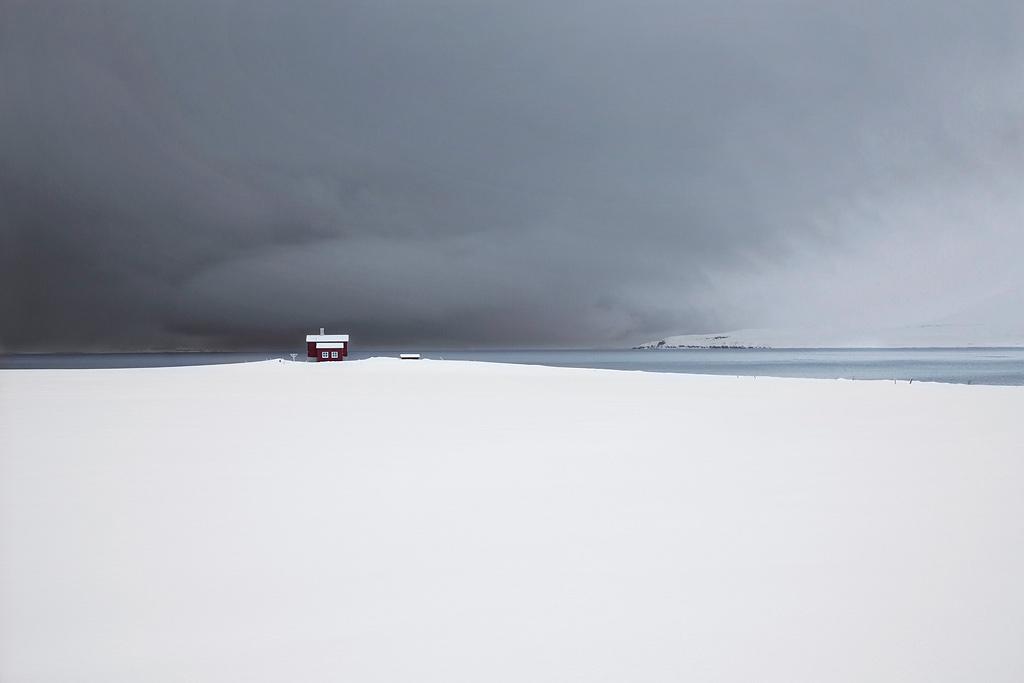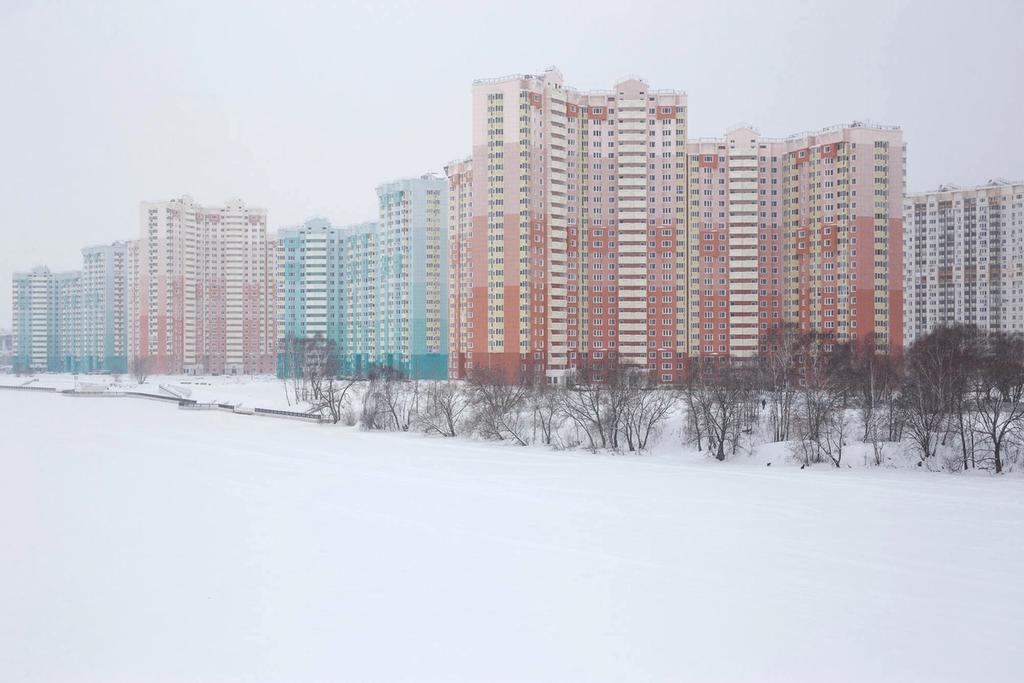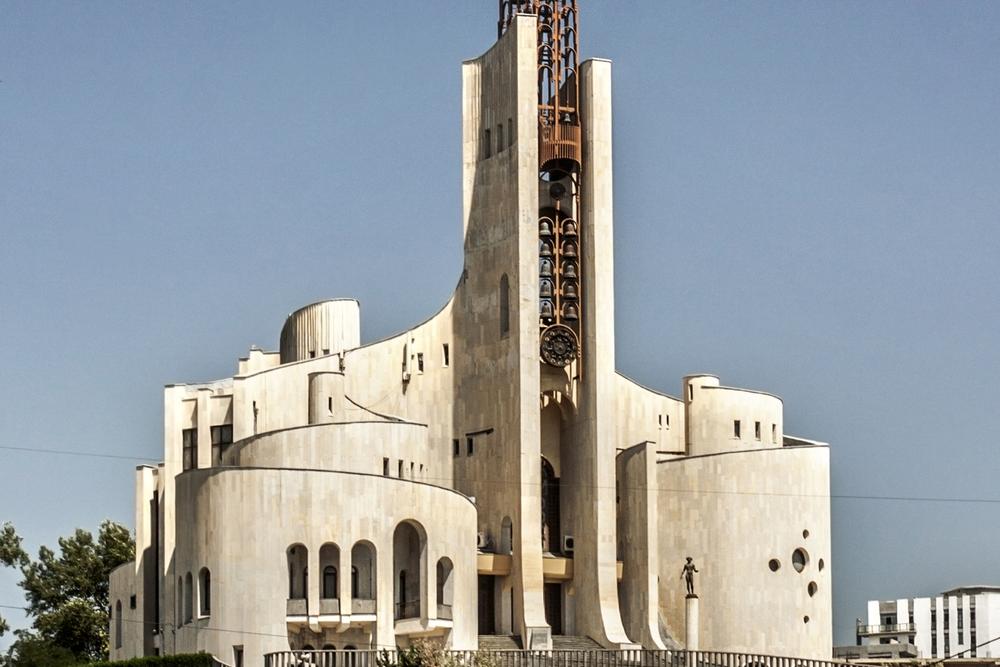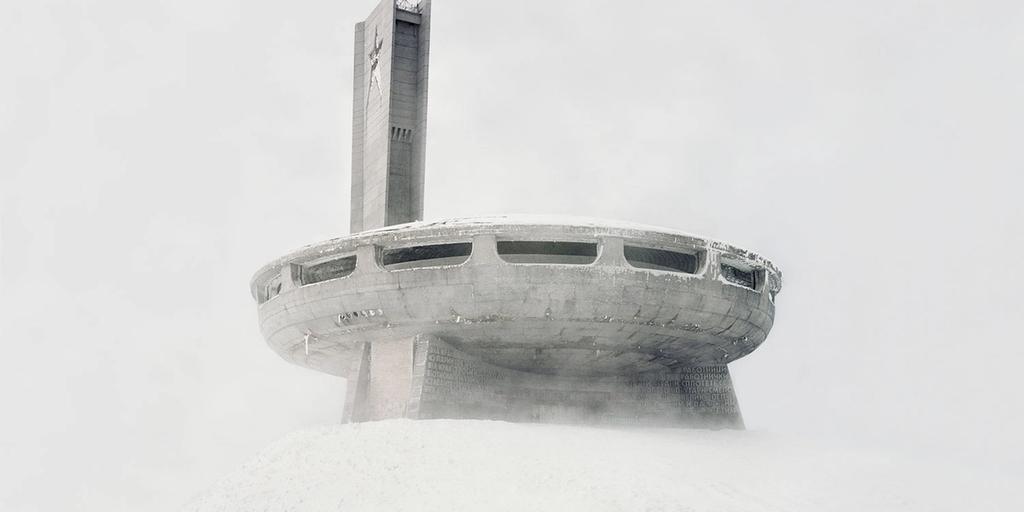
Danila Tkachenko is a Russian photographer whose lens has captured the vast and imposing structures of Soviet architecture. In his series titled Restricted Areas 22, he has assembled a collection of abandoned buildings and large-scale machinery from the Soviet era.

'Each of these frames is testimony to the broken and rusted ambitions of a collapsed superpower'
Each of these frames is testimony to the broken and rusted ambitions of a collapsed superpower. It seems those ambitions were so bold and far-reaching that their echo can be heard and seen even decades later.
Works of this kind are not new. Similar projects have appeared in our magazine before. Yet what sets Tkachenko's photographs apart is the merciless simplicity of his compositions, which stands in stark contrast to the extraordinary complexity and colossal scale of the subjects he captures.
Wonders of this kind are scattered across almost all of Eurasia. In Kazakhstan — an observatory; on the Samara banks of the Volga — submarines; oil fields — in Bashkortostan.

"These places lost their purpose alongside the utopian ideology, which has also become obsolete," Tkachenko believes.
Objects so remote from one another and so different could only have ended up side by side in an imagined world. And it is precisely that world which Danila Tkachenko has created for us all. He has assembled these objects into a single, minimalist landscape dominated by cold white. A true dystopia.
The photographer himself describes his project in these words: "Abandoned structures of an almost inhuman complexity." And indeed, browsing the photographs, we repeatedly caught ourselves thinking:"Where did the giants who built them disappear to?"
In reality, far more questions arise. It is curious, for instance, why any of this was built at all. Why does a submarine stand in the middle of a pristine snowfield? It all seems illogical — yet, given the force of the idea that once underpinned it, one cannot assume there was no reason behind it.


Consider this: all of it was once built, put to work and made useful. Yet today, these creations — wrought by hands united by ideology, driven by political will, by dreamers and brilliant minds alike — stand abandoned and unwanted. The sight of a single communications tower in the Arkhangelsk region alone stirs a quiet melancholy, a longing for a time to which we can never return. We can only look on and marvel at these aircraft that have landed for good, at these submarines moored and risen to the surface.
Buried in a snowy wilderness and forgotten by us, these testaments to Soviet ambition raise far more questions than they answer.
If you enjoyed this article, be sure to take a look at the photography project by Pascal Bazire, which featuresthe residential districtsof Moscow. Or, for instance, take a look at life in Antarctica through a series of photographs by James Morris.