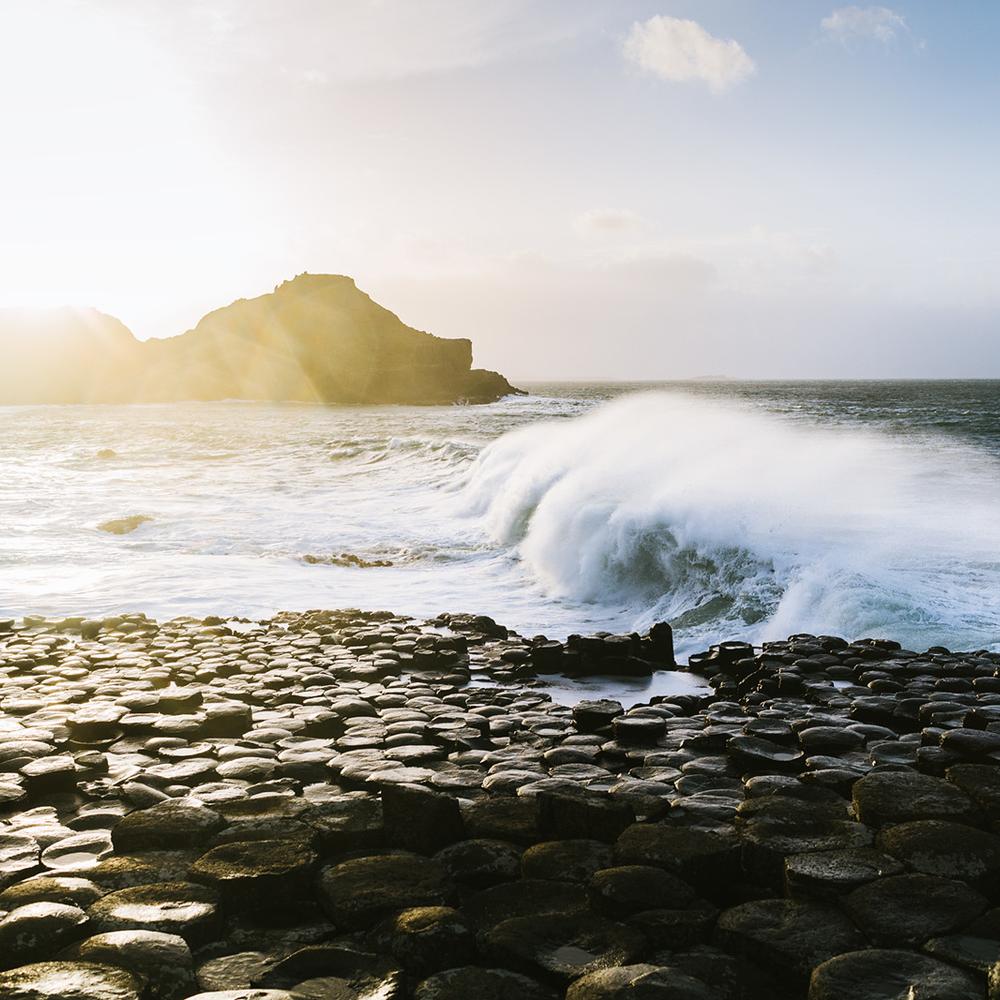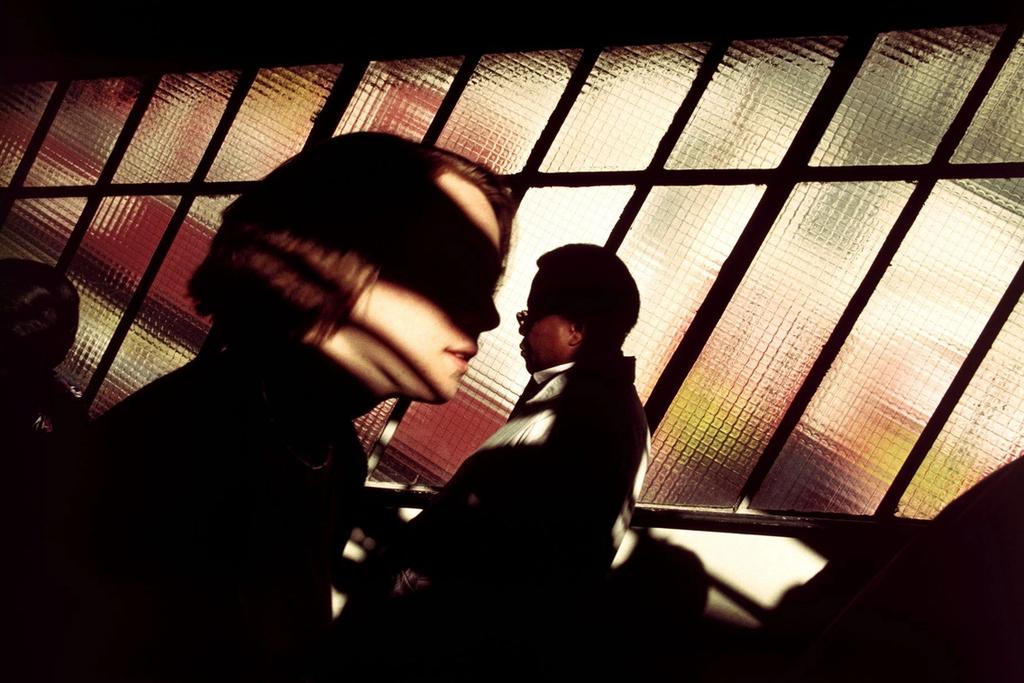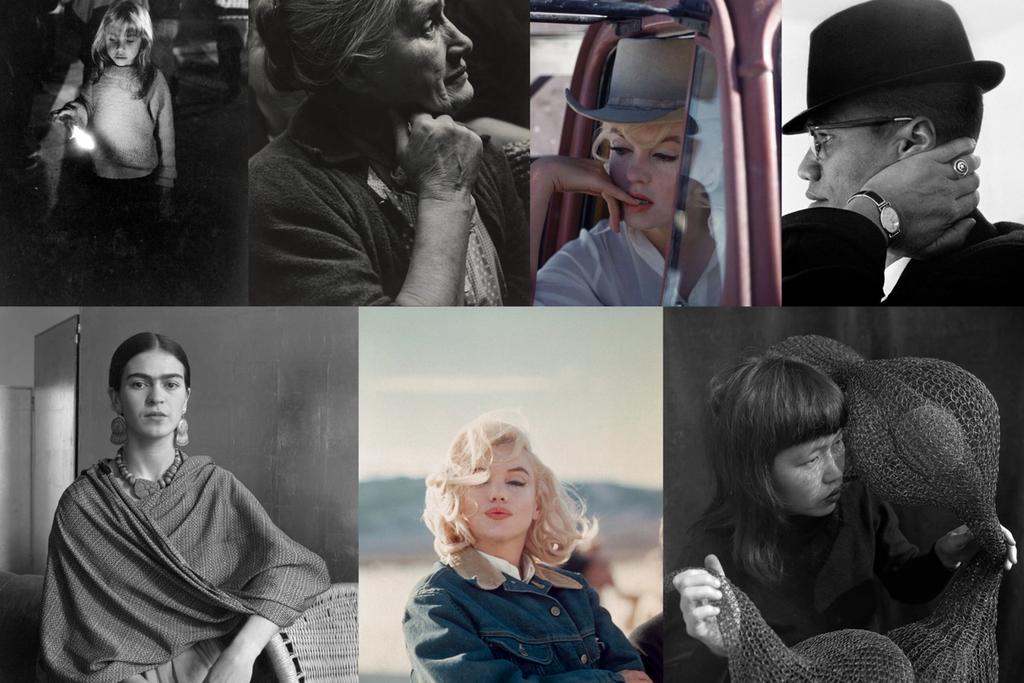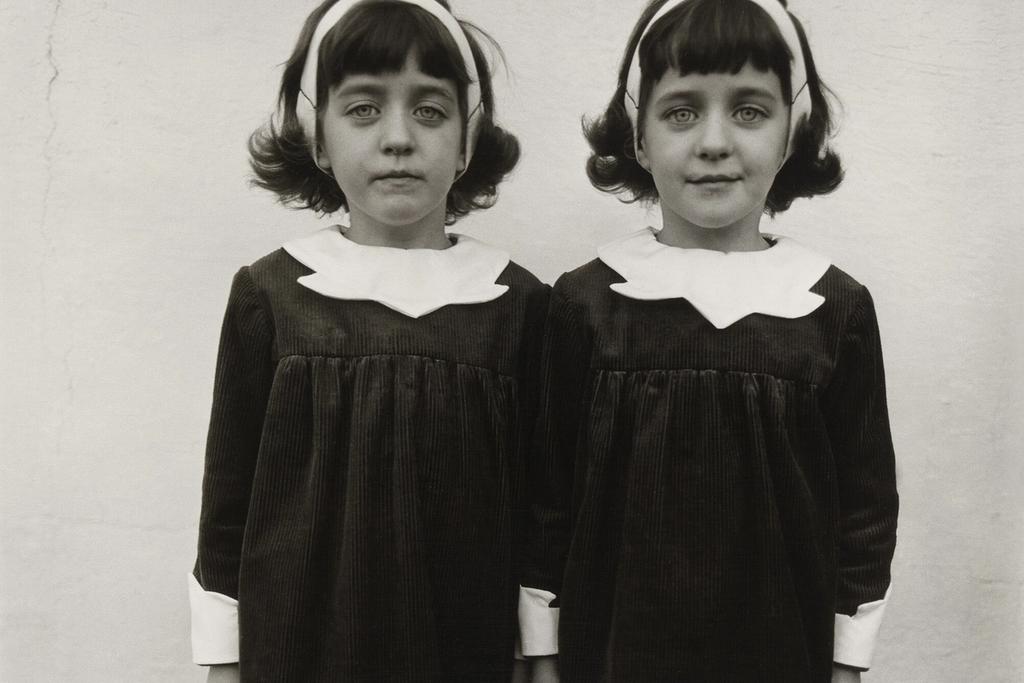
Boundless landscapes, the fluidity of natural forms, abstractions, solitary animals and not a single human being in the lens of photographer Petros Koublis.
Quiet and spare nature photographs rooted in the artist's personal philosophy of irrational sensibility.

Petros Koublis is a 36-year-old Greek photographer from the city of Serres, currently based in Athens.
Petros Koublis began his journey in photography in 2000. Before that, he had devoted several years to painting, believing it to be his calling. Yet the moment a camera came into his hands, Koublis's sense of his life's work changed.
"Photography somehow came into my life on its own — I didn't even realise it. At some point I found myself with a camera in my hands, struck by how familiar and natural it felt."
Petros studied photography in Athens and took part in a series of seminars on the history of photography, but it was his ongoing independent research that shaped his personal style more than anything else.
Since 2004 he has worked professionally as a photographer, specialising in fashion photography and portraiture. His images have been featured on major art and design platforms and in publications such as the British Journal of Photography, the Royal Photographic Society Journal, European Photography, Esquire Russia and others. He currently writes for the American edition of The Huffington Post and works as a photographer in the United States and Europe.

For Petros, photography is akin to archaeology, only with the notion of time completely reversed: archaeology uncovers what has survived from the past, while photography creates what intends to survive into the future. Often focusing on nature, Petros Koublis explores the hidden aspects and mystical character of landscapes.
"I believe that nature holds symbols which awaken within us memories of who we are and where we come from. I try to find them, to study them, to understand why an olive branch or the sight of the sea stirs such emotions in me."
The In Landscapes project: the silence of Athenian landscapes
City and nature, agony and silence — the IN LANDSCAPES project opens up a parallel world of Athenian landscapes.


On the outskirts of the Greek capital we lose ourselves in another world — a landscape of timeless nature and patient silence — where the city gives way to the countryside.
Surrounded by the silence of centuries-old olive groves, meadows, mountains and seas, the city fights for its existence, confronted by a harsh and tense reality, depression and crisis. The quiet that reigns less than 30 miles from the restless centre envelops the capital's loud and desperate cry. The outskirts of the city exist in a parallel reality, where time moves at a different pace. This place speaks to the human spirit in a long-forgotten language.
Petros sought to express the indefinable, mystical presence that wanders these landscapes — the lost connection between the city dweller and a beauty that remains forever distant, strange and unfamiliar.
Feelings and images in the project In Dreams
In his series IN DREAMS, Petros Koublis focuses on visual sensibility, exploring melancholic scenes of total stillness.


Koublis patiently waits for the landscape frame, which often includes a solitary bird or animal. He makes no secret of the fact that he deliberately excludes human figures from his compositions.
"We will never be able to look at the sun and stars the way our ancestors did — but animals, perhaps, still can"
The idea of returning to primordial experience runs through all of Koublis's projects. He is driven by a desire to transcend the boundaries of reason and lift the veil in order to sense another reality — the distorted remnants of entire peoples' fantasies, the age-old dreams of humankind. Petros regards the experience of relating to nature as something deeply intimate.
The aim of the series is to lay bare emotion, bypassing reason. In Koublis's work there is nothing for the rational mind to hold on to — parched deserts, solitary animals, bare rocks, restless surf. Feelings give rise to images that reach back to the forgotten history of our origins. The works carry a sense of suddenness — the impression of a spontaneous vision, or of a dream.
The abstract photography project Advaita
ADVAITA is a Vedic teaching that identifies the individual self (atman) with the ground of reality (brahman).
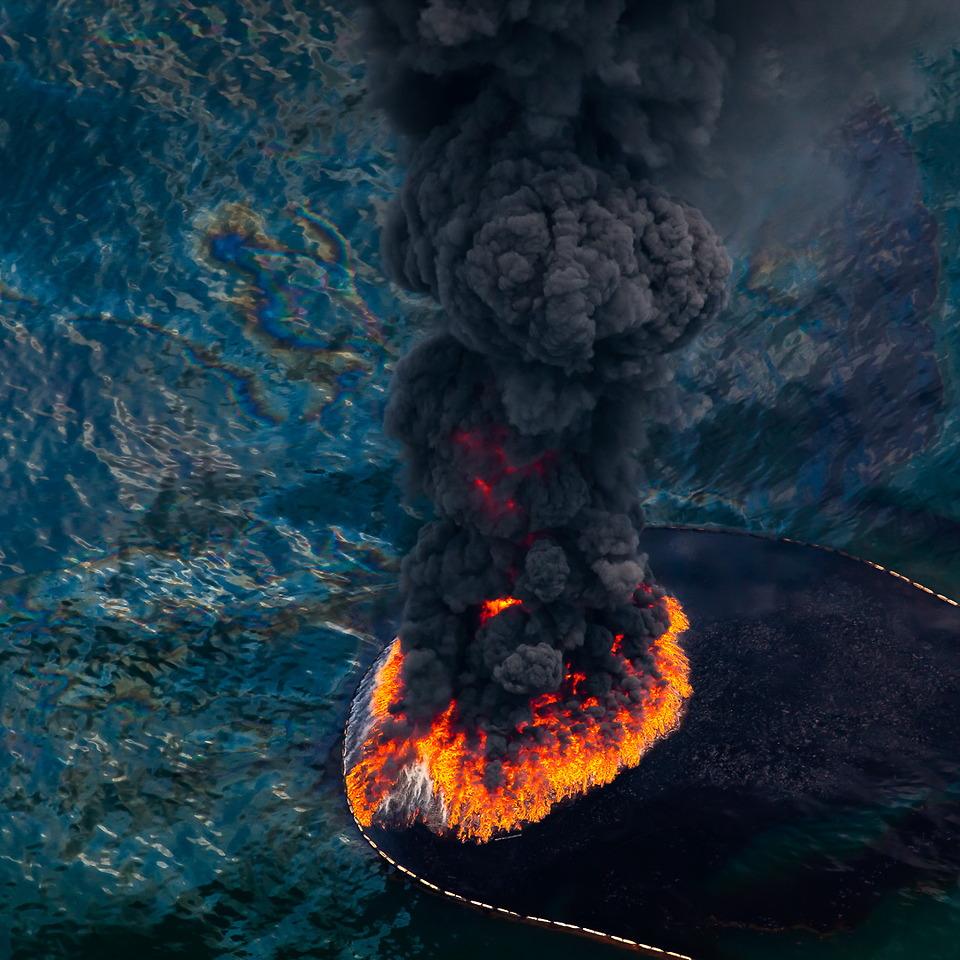
The ADVAITA photography series stands apart from Koublis's other projects: no nature, only abstract images that address our subconscious, drawing uncontrolled thoughts and feelings to the surface.


The central idea of the series is the unity of all things. The world depends on consciousness; consciousness depends on the world. Both arise and dissolve in reliance on each other.
Petros says that the individual self does not exist — there is only an all-pervading consciousness: "Identity is the assertion that what appears in our consciousness is volitional, that it depends on us. We say: I see, I hear, I smell, I touch, I taste — yet none of these acts is accompanied by a volitional act. Thoughts and ideas arise in our consciousness independently of our will, as do our feelings. We cannot know which thought will appear in our consciousness, which ideas will emerge in the next few minutes."
The mind may arrive at this recognition, and instead of trying to merge with a non-existent self, it will merge with the all-pervading consciousness.
We are nothing more than consciousness — constant and silent, empty and omnipresent
The landscapes of Tinos in the Anama series
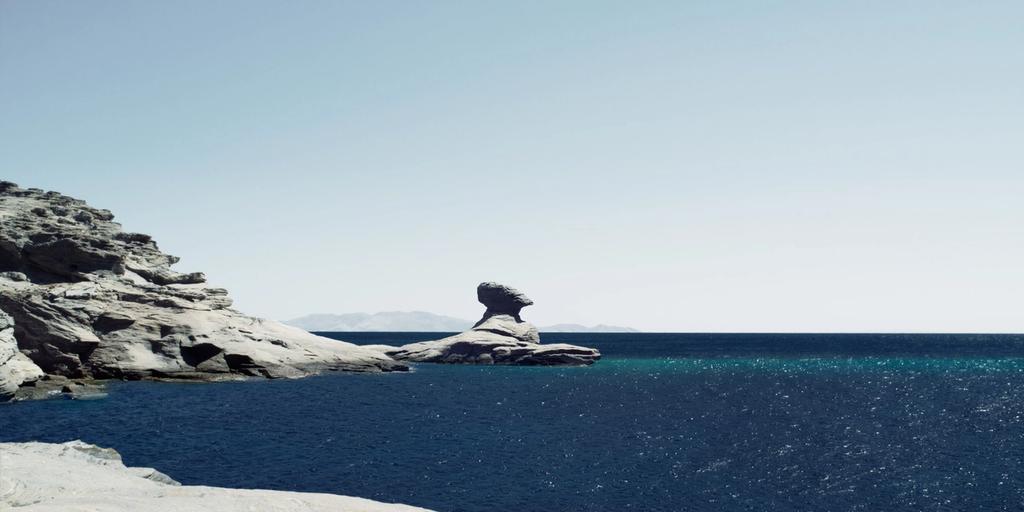
At the very heart of the Aegean Sea lies the island of Tinos. The landscape of this Greek island conceals, beneath its outward austerity, the memory of an ancient past. Strong winds whisper long-forgotten legends of Calais and Zetes, the winged twin sons of Boreas and Oreithyia, who met their deaths on Tinos at the hands of Heracles. Their father, Boreas, god of the north wind, mourning their loss, unleashed the winds that to this day torment the island and shape its elusive, eternal landscape.


The ANAMA project was initiated by the Athens-based studio Talc Design Studio and was commissioned by a local group of entrepreneurs. The idea was to reveal the island's spiritual dimension, which draws thousands of pilgrims every year.
In this series, Petros celebrates the mutable, fluid quality of form — the shifting landscape from the storm-battered north of the island to the gentler south. He has captured this magical place in a flawless visual interpretation. It is an appeal to our own primal experience, not as individuals, but as witnesses who have been continuously present through life itself. This is an island shaped by myth. A landscape that is itself a myth.
Petros Koublis's photographs evoke a mythic, almost otherworldly feeling, rendering the divine landscapes of Tinos.
If you enjoyed Petros Koublis's natural landscapes and would like to explore landscape photography further, be sure to read our article on the series of photographs by Brendan Lynch in the Kerlingarfjöll mountains, Iceland.