If you were to ask which country people associate with minimalism, Japan would almost certainly come to mind after the Scandinavian nations. The traditional Japanese style is characterised by restraint, purity of colour and a close attention to form, while contemporary Japanese companies produce beautifully crafted, ergonomic furniture, appliances and tableware.
Losko has selected five object designers from Japan who are well worth your attention.
Kazushige Miyake

Kazushige Miyake graduated from Tama Art University, one of the finest in Japan, and spent several years working in England to build his experience. On returning home, Miyake continued his design career across various studios, including the office of Naoto Fukasawa — a legendary figure in Japanese design. In 2005 Kazushige founded his own studio, Miyake Design. Alongside his main practice, he teaches at his alma mater and serves as one of the judges for the Good Design Award competition.
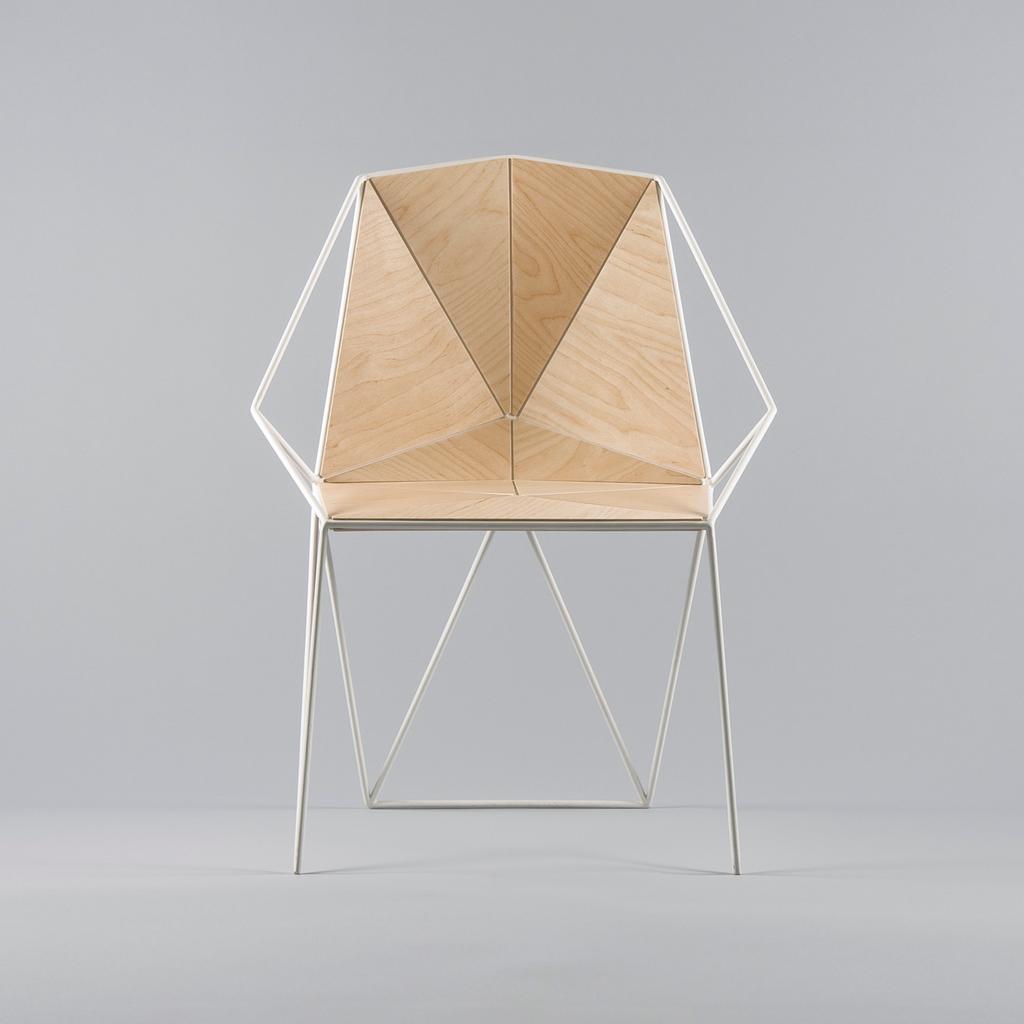
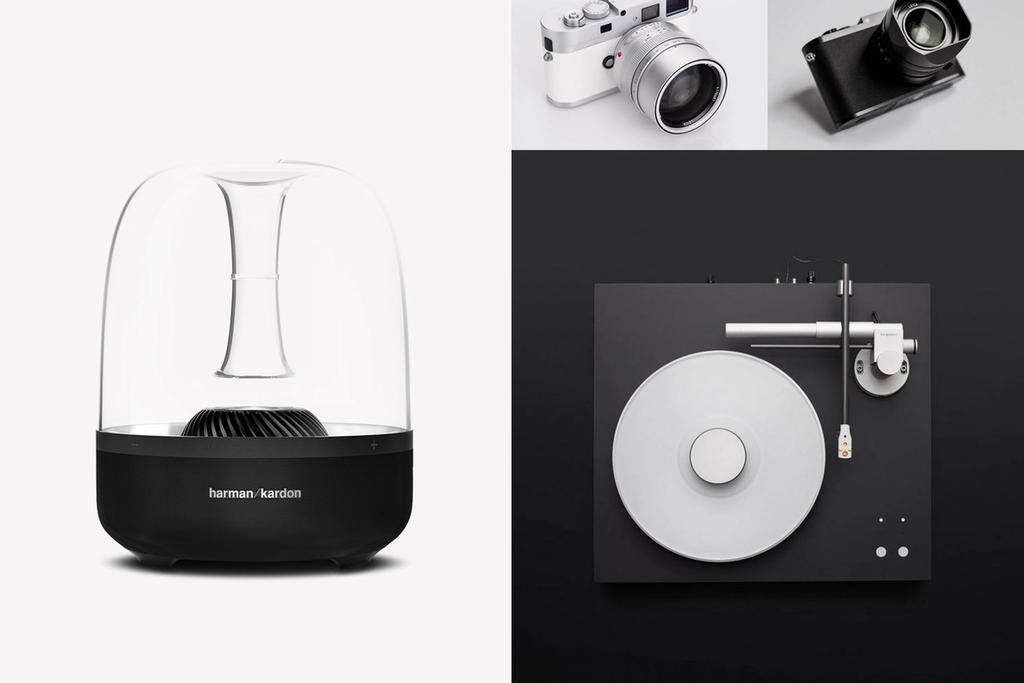
Miyake Studio works primarily with stylish home appliances and everyday objects. The designer favours simple forms stripped of superfluous detail and ornamentation, allowing function to speak for itself. A fondness for practicality is also evident in the preference for mobile and portable solutions — small, almost toy-like fans and heaters, foldable lamps and chairs. One can also detect Miyake's affinity for natural wood: despite the Japanese tradition of lacquering wooden objects, the designer seeks to minimise the amount of lacquer used in production and preserve the texture of the wood as much as possible.

Masahiro Mori / Masahiro Mori

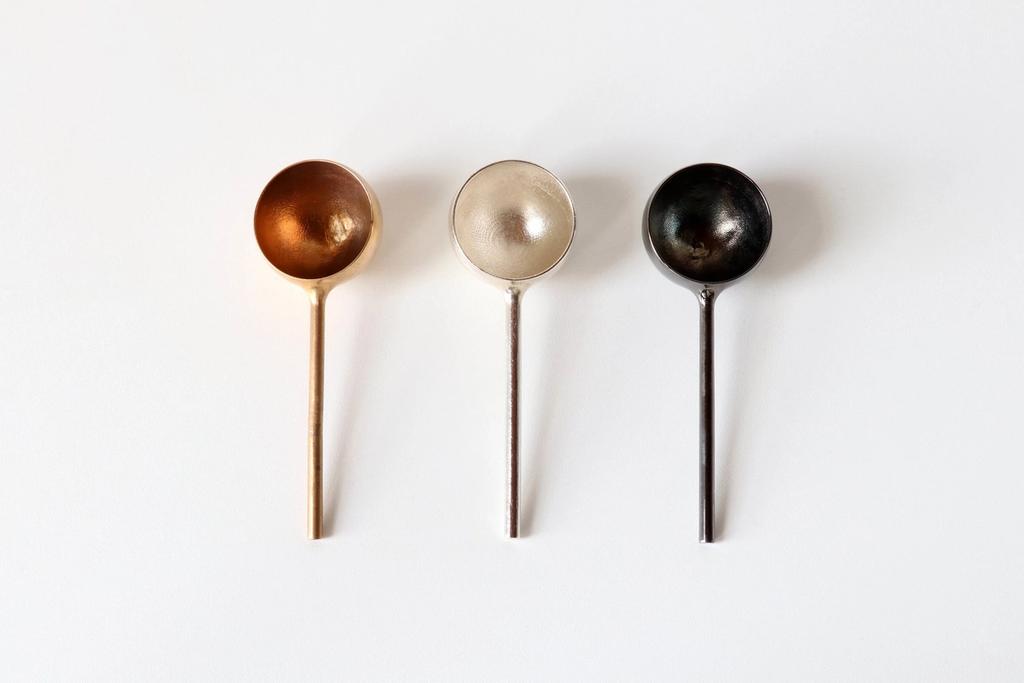
Masahiro Mori was born in 1927 in Saga Prefecture. The first product to make him a star — as he would be called today — was the G-type Soy Sauce Bottle, which won the prestigious Good Design Award in 1960 and remains in production to this day. After the Second World War, Mori devoted himself to designing tableware that met the needs of ordinary Japanese people. His work carries clear motifs rooted in national culture: geometric ornaments reminiscent of folding-screen paintings, a restrained colour palette, and the use of bamboo or its imitation in the colouring of his pieces.

Although Masahiro Mori's sole aim was simplicity and functionality, his designs have enjoyed — and continue to enjoy — enormous popularity, as attested by the sheer number of accolades: the Good Design Award alone has been won by his work more than 110 times.
Eisuke Tachikawa / Eisuke Tachikawa

Eisuke Tachikawa, a young Yokohama native driven by a desire to make the world a better place, founded the studio Nosigner. The studio's central purpose is to address the challenges that contemporary society poses to the individual. Through his work, Tachikawa seeks to create innovation across a wide range of fields: Nosigner's projects serve technology, education, ecology and much more. The studio also actively collaborates with local businesses and enterprises, supporting regional production.
In addition to product design, Nosigner works in interiors, graphic design and web design, and produces books and brochures that address social and environmental issues.
Daisuke Kitagawa / Daisuke Kitagawa

Before founding his own studio Design for Industry Inc., Daisuke Kitagawa spent ten years at NEC Design — a subsidiary of Japan's largest electronics manufacturer focused on product design. He set up his own studio driven by a desire to listen to everyone involved in the process of making and delivering an object to the consumer, from the production engineer to the sales assistant.
The hallmark of Design for Industry is multifunctionality. Many of the studio's pieces are transformable — among them a coffee table that doubles as a pouf and storage unit, and a modular shelving unit to which a wooden seat can be attached, converting it into a stool. The studio's website states: "We put care into creating things that will embody a shared achievement and bring lasting pleasure to their owner."

Oki Sato / Oki Sato

Oki Sato is a graduate of the architecture faculty at Tokyo's Waseda University and the founder of design studio nendo. Three years after opening his Tokyo office, in 2005, the ambitious designer extended his practice to Milan as well, and within a year his name began to appear regularly in the press. At various times he has featured in the top rankings of publications such as Newsweek, Wallpaper and Dezeen, and has been a recurring presence in the Japanese edition of Elle Decor. Alongside product design, Sato also works in architecture, interiors, graphics and lighting, and creates installations and lectures at Waseda University.

The designer describes his studio's concept as a desire to gather, express in accessible form and share with people those moments that make us feel a small "!" inside during everyday life. However fleeting such moments may be, Sato believes they are precisely what makes life interesting.
We have already written about the key Japanese product designer — Naoto Fukasawa. Also take a look at our selection of Russian product designers.