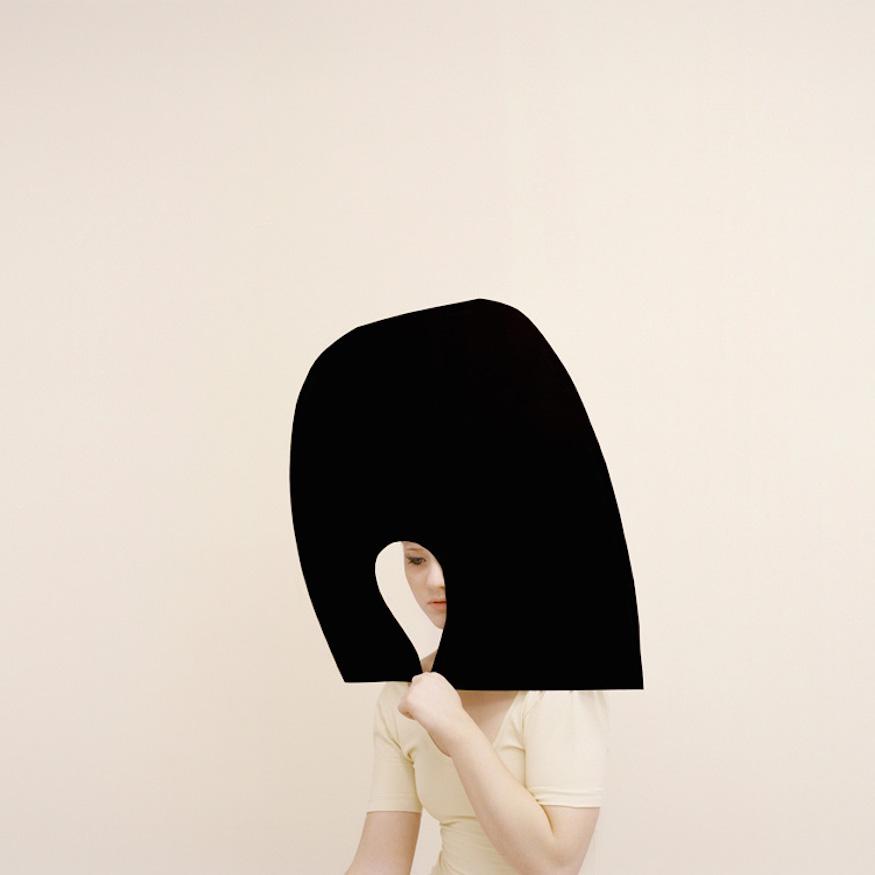
Pastel colours and understated surrealism are the hallmarks of Brooke DiDonato (Brooke DiDonato), who uses her photographs to tell stories that have neither a beginning nor an end.
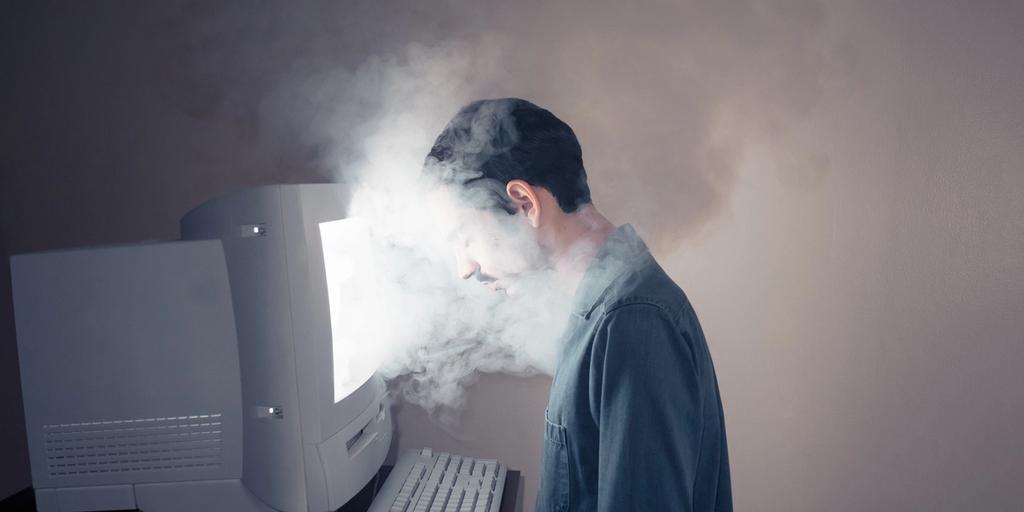
DiDonato is from Ohio but lives in New York. Her photographs seem to capture a story frozen mid-way through, its beginning and end left for the viewer to piece together. DiDonato approaches the realisation of her ideas with great care, asking models to repeat the same movement or expression many times over for a single shot. She keeps post-production to a minimum, preferring to achieve the effect she wants through equipment — such as a smoke machine — and meticulous preparation of the shoot location.

'Daily practice is the best thing I have ever done for my photography'
Brooke DiDonato was born and raised in Ohio, where she graduated from Kent State University in 2012. Her surrealist work did not come immediately. At school, Brooke studied photojournalism. One summer, DiDonato worked as a staff photographer at a newspaper but was dissatisfied with her output. She decided to take on a personal year-long side project: every day, Brooke shot one conceptual photograph. DiDonato admits: 'If I'm being honest, many of those photographs weren't very good. But daily practice is the best thing I have ever done for my photography.'

The project helped DiDonato find her visual language and the kind of images she wanted to make, by the time her skills had reached the level they needed to be.
The pastel tones in DiDonato's work were shaped by the house she grew up in — the suburbs, with the atmosphere of post-war 1950s and utopian America. 'When you leave the place where you've spent your whole life, you start noticing small details every time you return — it's like rediscovering somewhere familiar,' DiDonato says of her home.

Returning home after a long absence became an alienating experience for Brooke, one that inspired a number of her works. This is particularly evident in her series A House Is Not a Home. She is also inspired by nature, forests and urban skylines.
A tension runs through Brooke's work: the pastel colours are offset by the dark mood she seeks to convey through her photographs. Her subjects experience alienation from their own homes; they are vulnerable, prone to self-destruction, or mentally unwell. These are the kinds of stories that cannot simply be depicted — and it is precisely these that DiDonato strives to communicate to the viewer.

The sombre undercurrents in the photographer's work can be traced to David LaBelle, her photojournalism professor at Kent State University. He told his students that exposing the unflattering sides of life was their moral duty.
'If you can connect an important concept to an aesthetically compelling image, you can break down barriers that words alone cannot.'
On how the professor's words shaped her vision of photography, DiDonato says: "I feel that my responsibility as a photographer is to take that darkness and turn it into something visually compelling, giving it a voice. People identify with images. If you can connect an important concept to an aesthetically appealing image, you can break down barriers that words cannot. That can lead to awareness, and, with luck, to change."
DiDonato loves sharing her work on Instagram or Facebook, because there she can get an immediate response from viewers. Her photographs feel like a scene caught in the middle of a story. The beginning and the end are left for the viewer to fill in. The faces of her subjects are often hidden or simply too far away to make out. The images create an atmosphere of uncertainty and tension, leaving the viewer suspended.
"One person would look at a photograph and snicker to themselves, while another would look at that same photograph in horror or profound sadness"
"I think my photographs can be read in completely different ways. One person would look at a photograph and snicker to themselves, while another would look at that same photograph in horror or profound sadness," says Brooke.
And while DiDonato invests her photographs with her own meanings, she hopes that each viewer will interpret them in their own way.
Brooke shoots with a Nikon D7000 and a Sony RX1. She rarely uses Photoshop, preferring to minimise her time at the computer and achieve the surrealist effects she's after through equipment and camera work.


Brooke invites friends and close acquaintances to model for her. This helps her establish a better rapport with her subject and communicate her vision more effectively. To achieve the desired effect, she will sometimes have a model repeat the same movement or expression fifty times.
Losko has previously written about another photographer with an unusual conceptual approach and a fondness for pastel tones — Maria Svarbova. Our roundup "A Study in Pink: 10 Photography Projects in Pink" also makes for a fine companion to this article.