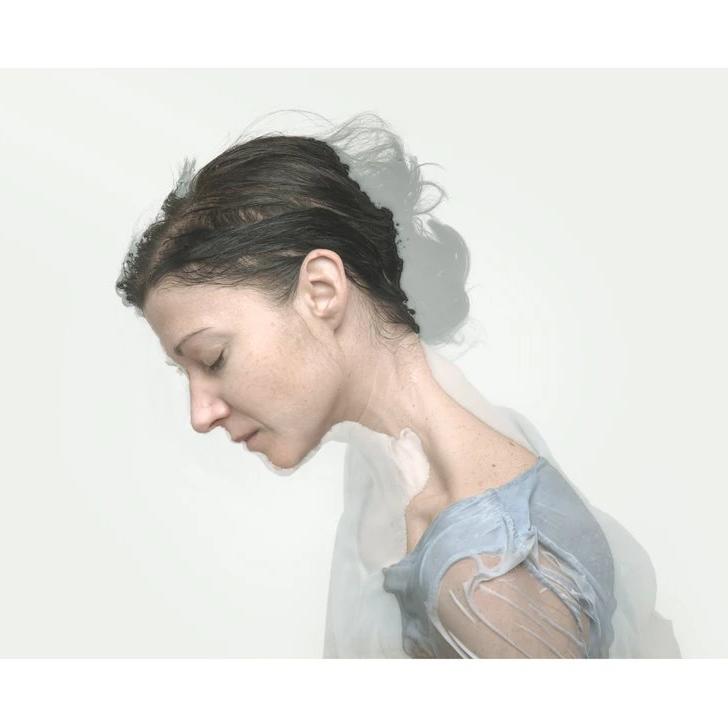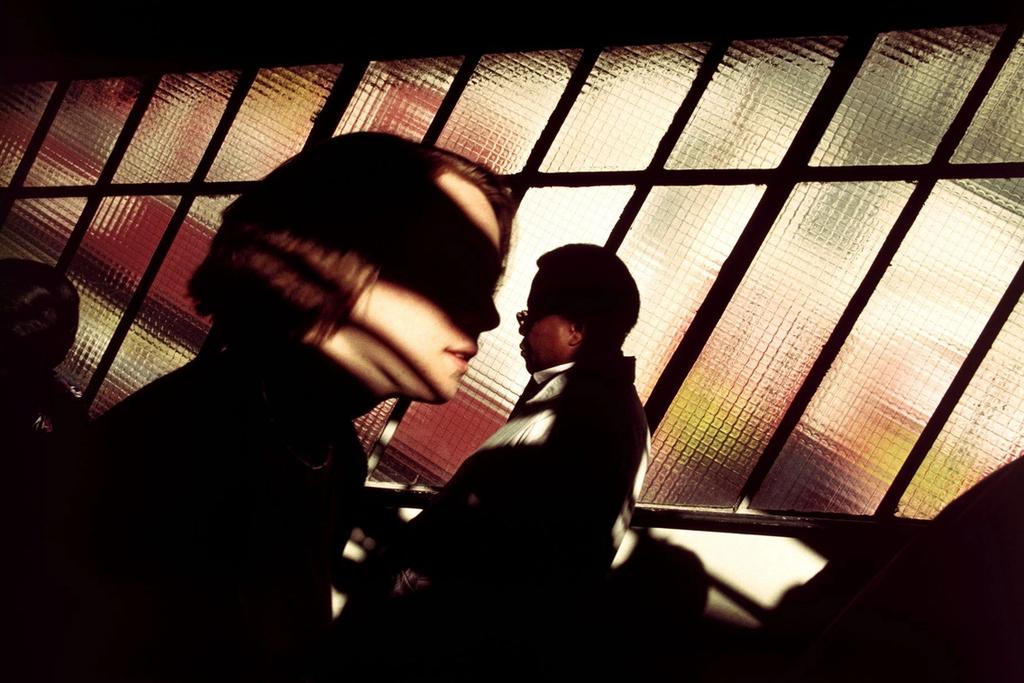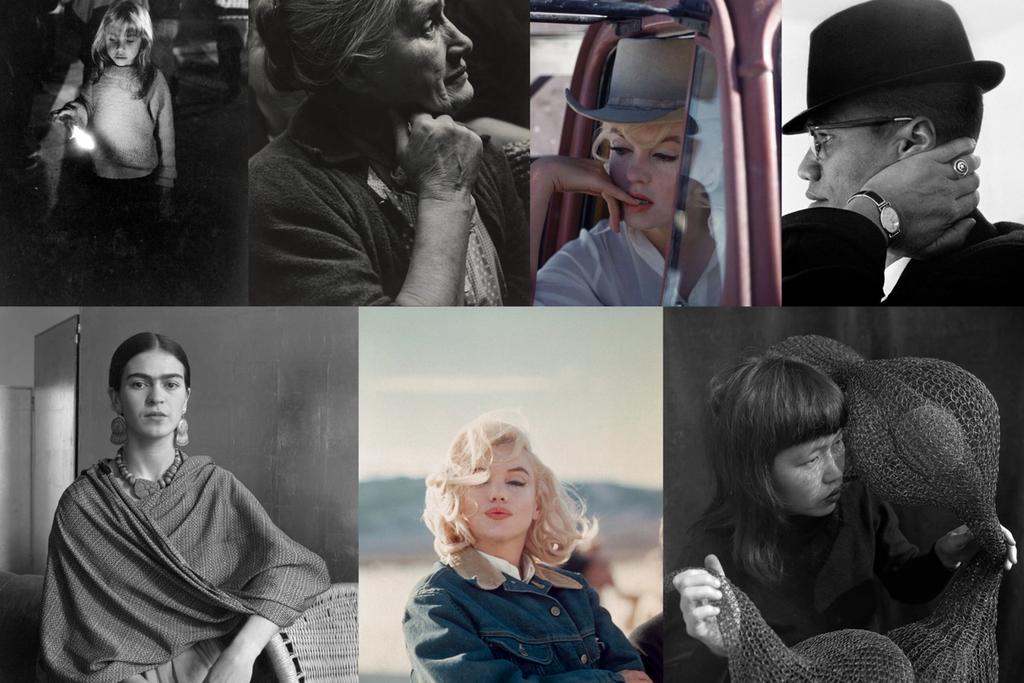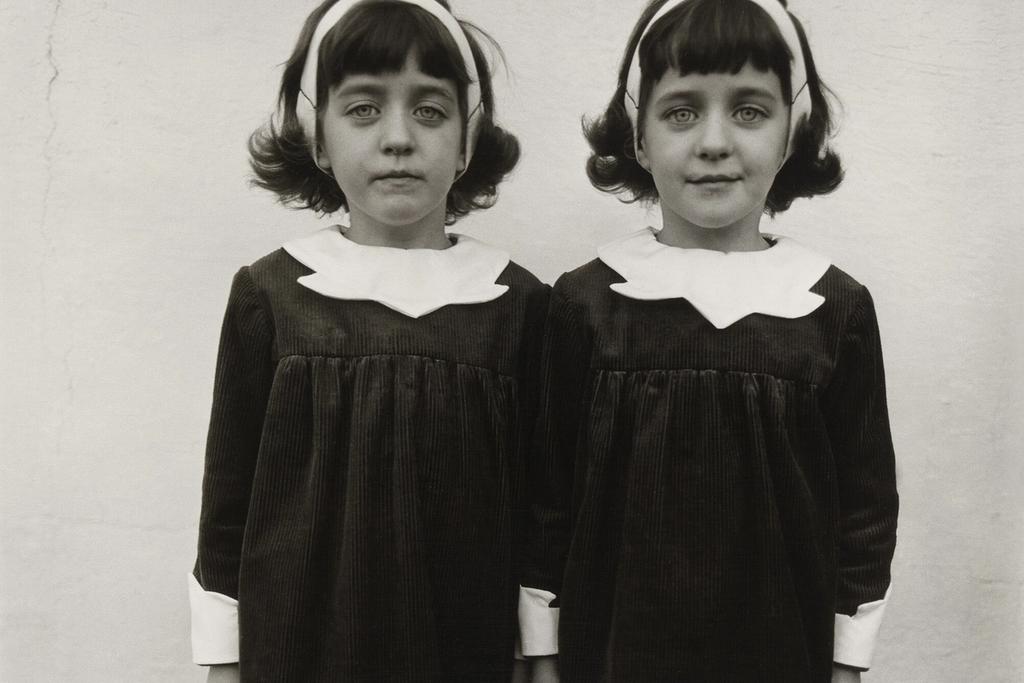
In this selection, Losko has brought together portraits with distinctive concepts from 5 photographers. Each artist has their own style, background, interests, and story they wish to share with the viewer. All of this is reflected in the imagery and means the photographers employ, turning the portrait into an instrument of self-expression.
Brooke DiDonato / Brooke DiDonato

Brooke DiDonato is a photographer originally from Ohio who now lives in New York. Her work is defined by pastel colours and a mood of gentle melancholy. We have previously written about some of her work, and now we turn to her portraits. DiDonato brings a meticulous attention to concept, accounting for every detail and nuance. She uses her friends and acquaintances as models, asking them to hold poses for extended periods in order to achieve exactly the result she has envisioned.
Rowan Corkill / Rowan Corkill
Among the interests that shape the artist's world are youth subcultures, African art and voodoo, occult rites and secret initiations, Catholic art and medieval history
Rowan Corkill draws inspiration from a wide range of religious and occult beliefs. The artist uses his practice to explore and examine the endless distortions of reality that the human mind has transformed into fantastical mythologies and worldviews. Among the interests that shape his world are youth subcultures, African art and voodoo, occult rites and secret initiations, Catholic art and medieval history. Alongside photographs, Corkill's website features sculptures and drawings. Animals, in one form or another, appear with great frequency throughout his work.
In the photo series Portrait of Species (“Portrait of Species”) the artist himself holds various dead animals in his teeth, as if he has just returned from a hunt. All of them, except for a canary, were found along roads near Corkill's home. These animals died as a result of humanity's dominant and destructive presence alongside nature. The series of self-portraits raises questions about the existence and place of humankind on the planet, and speaks to the distance that separates us from other species and from the natural world. Corkill used the canary to reflect the distinctly human tendency to appropriate and manipulate other animals.
Marie Hudelot
Jewellery, feathers, branches, flowers, hats, decorative ribbons and animal feed become symbols of seduction, femininity, youth, memory, struggle, life and death
Marie Hudelot is a French woman with Middle Eastern roots. In her portrait series Heritage (“Heritage”) she set out to construct a body of symbolic portraits, drawing inspiration from her experience of two cultures. "I worked using the tradition of still-life painting. I decided to present characters whose nature and the objects they carry come from different rites and customs," Hudelot writes of the project. In her work, the photographer explored symbolic attributes belonging to the heritage of both East and West — specifically France and Algeria. Jewellery, feathers, branches, flowers, hats, decorative ribbons and animal feed become symbols of seduction, femininity, youth, memory, struggle, life and death.
Hudelot loosely divides the series into three categories: "mark", "struggle" and "femininity". The first category is represented by elements of raw earth and evokes associations with death and rebirth. "Struggle" reinterprets various battles and the honours of war. The symbol of femininity in the third category exists within the context of two cultures — French and Algerian — and is sometimes read as a dichotomy, and at other times as an expression of diversity.
Alma Haser
Haser would first photograph her subjects, then fold the printed images into origami — a distinct shape for each person — and finally photograph everything together
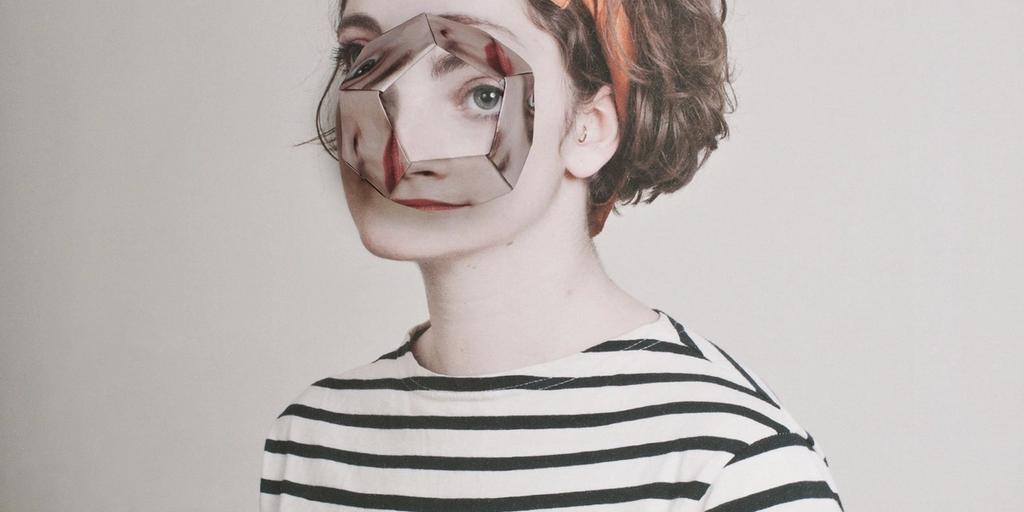
Alma Haser was born in Germany into a family of artists and now lives in London. In her portraits, Haser employs the technique of origami. The portrait series Cosmic Surgery (“Cosmic Surgery”) was created in several stages. Haser would first photograph her subjects, then fold the printed images into origami — a distinct shape for each person — and finally photograph everything together. After such manipulation, the works appear unsettling and repellent. Haser succeeded in producing deeply disquieting images that reveal the multifaceted and often contradictory nature of our identity — real or imagined.
Maria Svarbova
The series titled "Elements" was shot by Maria Svarbova, a photographer from Slovakia. We have already written about her celebrated work on people in a swimming pool. Maria Svarbova was born in 1988. She studied restoration and archaeology before choosing photography.
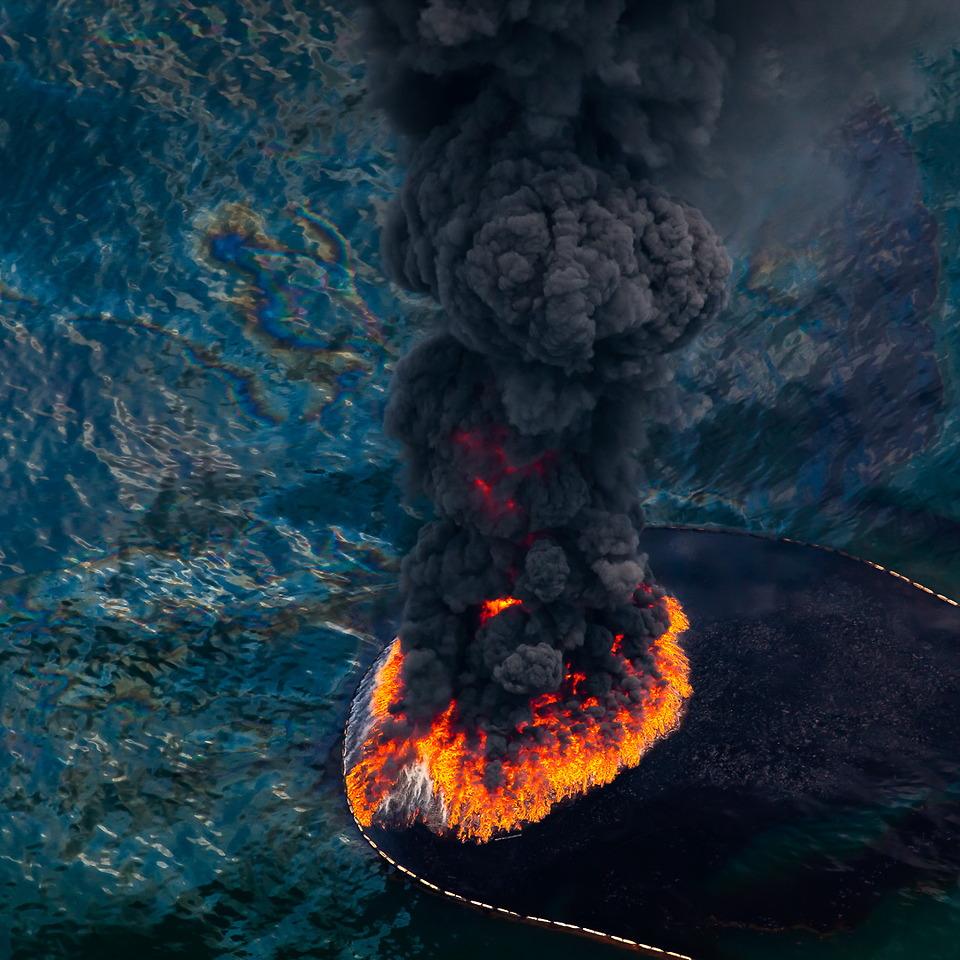
In this portrait series Svarbova remains true to her signature style: virtually no contrast, with pastel, muted colours. Like Haser, Svarbova began with existing portrait photographs for her project. She then introduced various elements — air, water, fire — to realise her concept, before photographing the portraits again. The peculiar interplay of the two-dimensional and the three-dimensional blurs the boundary between the screen and the viewer, making the photographs feel like far more than flat images.
Losko also wrote about another portrait project — APNEA Humans Breathless by Italian photographer Gabriele Corni, who photographed people submerged in water. There is also an article on the photography of South Korean artist Ina Jang, in whose portraits something constantly obscures the subjects' faces, preventing the viewer from identifying them.