Colour is one of the most vital elements of our lives — it makes the world more vibrant and engaging, draws the eye and shapes our mood. How would our lives and our sense of the world change if we were surrounded by multicoloured buildings? In this article we look at the work of a young photographer who treats modern buildings as a colouring canvas, and immerse ourselves in the atmosphere of the most colourful cities on earth.
Modern buildings as canvases for a German photographer
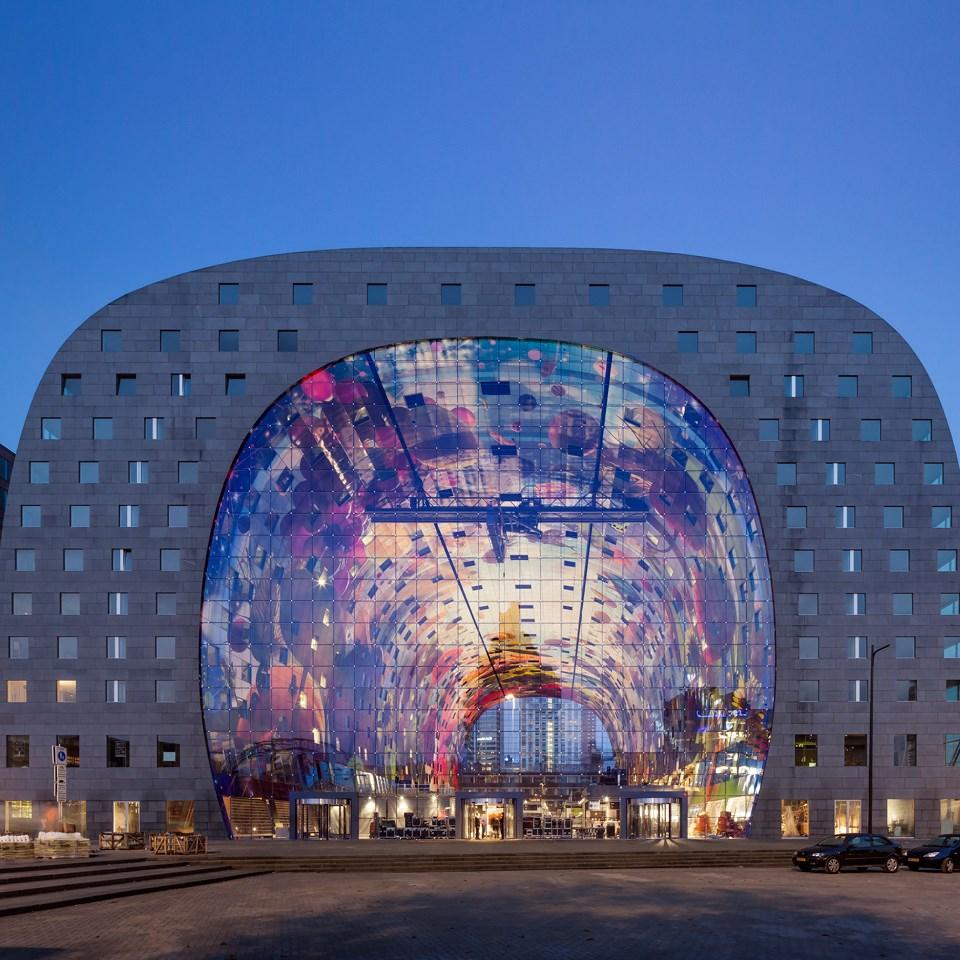
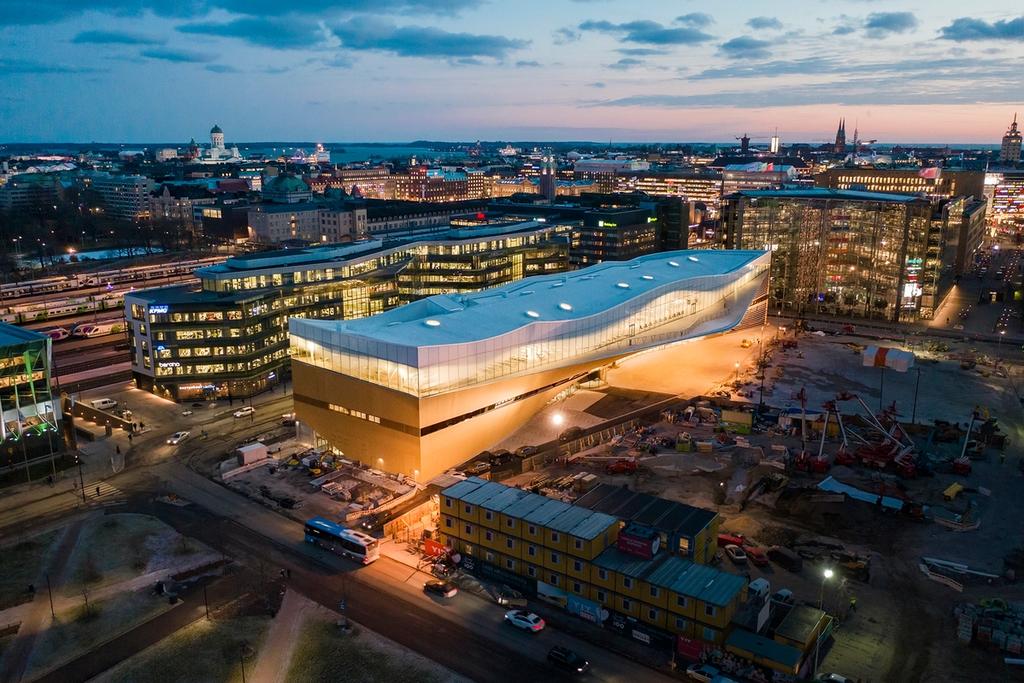
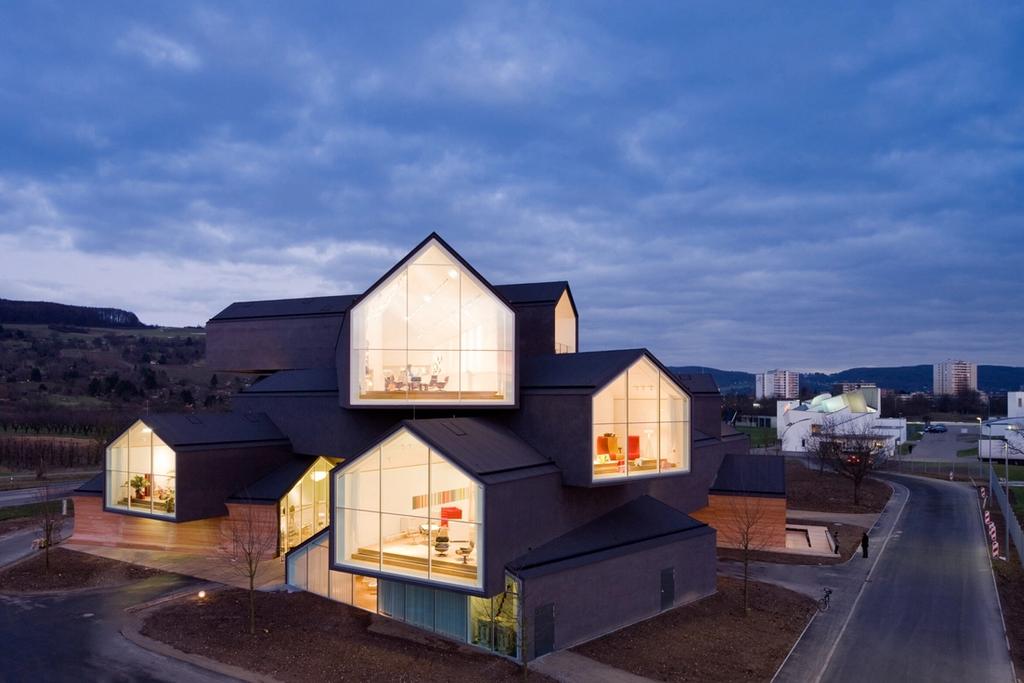
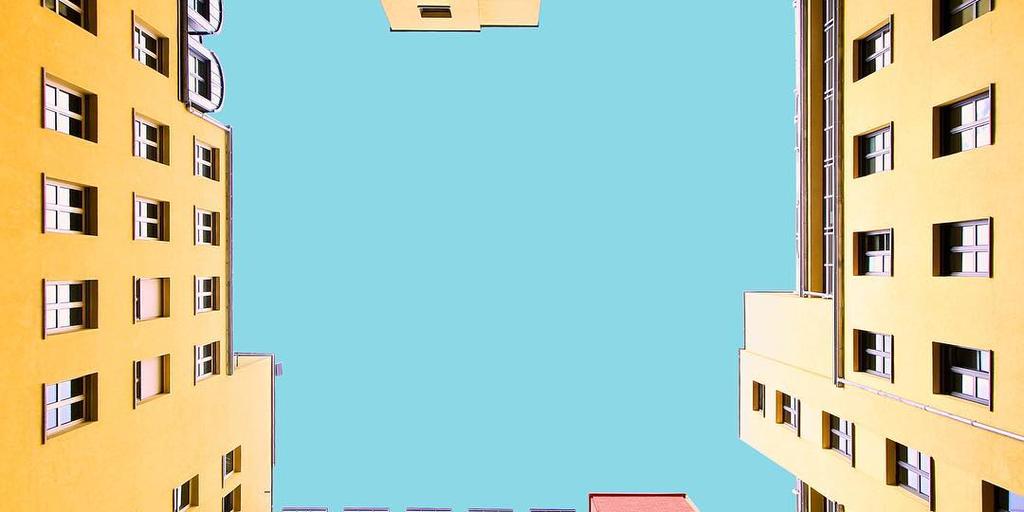
Paul Eis is an 18-year-old photographer from Berlin who photographs modern buildings on the city's outskirts and uses them as canvases.
On his Instagram page, Paul shares vividly coloured interpretations of Berlin's contemporary architecture — which, before it caught the young photographer's eye, was predominantly grey. He had previously worked in conventional architectural photography, but found the experience dispiriting, dealing as he was with what he described as the "uninspiring, dull, grey architecture" of modern German buildings. Paul decided to accentuate their clean lines using Photoshop, transforming them into something memorable and, in his view, genuinely artistic.
Paul begins the editing process by selecting a colour palette. His choice is guided by the architectural features particular to each building: its balconies, windows and other facade elements. When choosing colours, Eis also ensures they complement the evenly blue sky that is an integral part of every photograph. Another hallmark of his work is the visual isolation of each structure from its surroundings. Together, these two effects direct the viewer's attention to the distinctive qualities of each individual building.
Paul believes that a building's design encompasses not only its form but also its colour — something that, in his view, Berlin consistently overlooks. 'I find it hard to understand why construction companies pay so little attention to creating genuinely good architecture. Perhaps it comes down to an unwillingness to live in a brightly coloured building, or perhaps simply a lack of interest in architecture. Every time I see another dull new building go up, I feel a pang of sadness, knowing what it will look like in a couple of years — especially if it has a white façade.'
Paul notes that in cities with a climate like Berlin's, colourful buildings soon begin to look grimy. For this reason, the choice of colour deserves serious consideration — and settling for a convenient grey palette should, under no circumstances, be the answer.
Ace is currently studying architecture and hopes, in time, to shape the face of his home city.
On the theme of 'buildings as canvases', it is worth mentioning the Dutch artists Haas&Hahn (Jeroen Koolhaas and Dre Urhahn), who travel to slums around the world and paint them together with local residents. Watch the story of their work in the video below. The same video with Russian subtitles is available here: Haas & Hahn: How Bright Colours Transform Grey Neighbourhoods.

Now is the perfect moment to look at some of the world's most colourful cities as they already exist.
The most colourful cities on the planet
Valparaíso, Chile
Valparaíso is Chile's historic and cultural heart. The city is home to a wealth of museums, cathedrals and churches, while its narrow streets often turn into staircases. Valparaíso's architecture blends Spanish colonial style with other European influences brought by the many immigrants who arrived in the nineteenth century. The abundance of murals, decorative details and graffiti adorning the already vivid buildings speaks to the city's particular creative spirit.
Photo: Francisca Plaza (Francisca Plaza)
St. John's, Canada
St. John's is the capital and largest city of the province of Newfoundland and Labrador. One of the oldest cities in Canada, it has a rich history and extraordinary architecture. There is a street known as 'Jellybean Row' because of its brightly coloured buildings. Sea captains once painted their houses in vivid hues so that they could be spotted from the water.
Photo: Vincent Demers (Vincent Demers)
Rio de Janeiro, Brazil
In 2010 the Brazilian government decided to renovate the favelas and invited the Dutch artists already familiar to us from the video above Dutch artists Haas&Hahn (Jeroen Koolhaas and Dre Urhahn). They used the facades of the slums as a giant canvas. These vivid streets have since become a tourist attraction. Because order in the favelas was never fully restored, visitors enjoy the riot of colour while keeping a firm grip on their bags and cameras.
Photo: Haas&Hahn
Wrocław, Poland
Wrocław is one of the most beautiful cities in Poland. It is not without reason that the city has been called the capital of Europe — there is something here for even the most discerning traveller: an abundance of landmarks, five rivers, hundreds of bridges and charming streets lined with colourful houses, stunning architecture and a rich history. The city was first mentioned as far back as the year 98.
Photo: Aggiewo
Buenos Aires, Argentina
In the south-eastern part of the city lies the La Boca district, known for its open-air 'museums'. The district's famous pedestrian street, Caminito, is home to murals and graffiti by local artists. The area has a fascinating history: from the late nineteenth century it was settled by Italian immigrants, who gave it its distinctive character. The migrants painted their houses in whatever colours they had to hand, often using different shades simply because one colour was never enough to cover an entire building. Today the locals keep this tradition alive, and painting a house in a single colour is considered poor form.
Photo: Melodie Ly (Melodie Ly)
Copenhagen, Denmark
The Nyhavn canal in Copenhagen, dug in the 17th century, connects the city's interior with the sea and captivates visitors with the vivid colours of its buildings. The waterfront is lined with 17th- and 18th-century houses built from timber, brick and plaster. Nyhavn is not without reason called the 'heritage harbour': many historic wooden vessels are moored along the canal.
Photo: That Kate
Burano Island, Italy
The Burano canal in the Province of Venice is renowned for its brightly coloured streets, past which gondolas glide every day. Remarkably, each house on Burano has an officially assigned colour. Changing the paintwork requires permission from the local authority.
Photo: Saffron Blaze (Safron Dlaze)