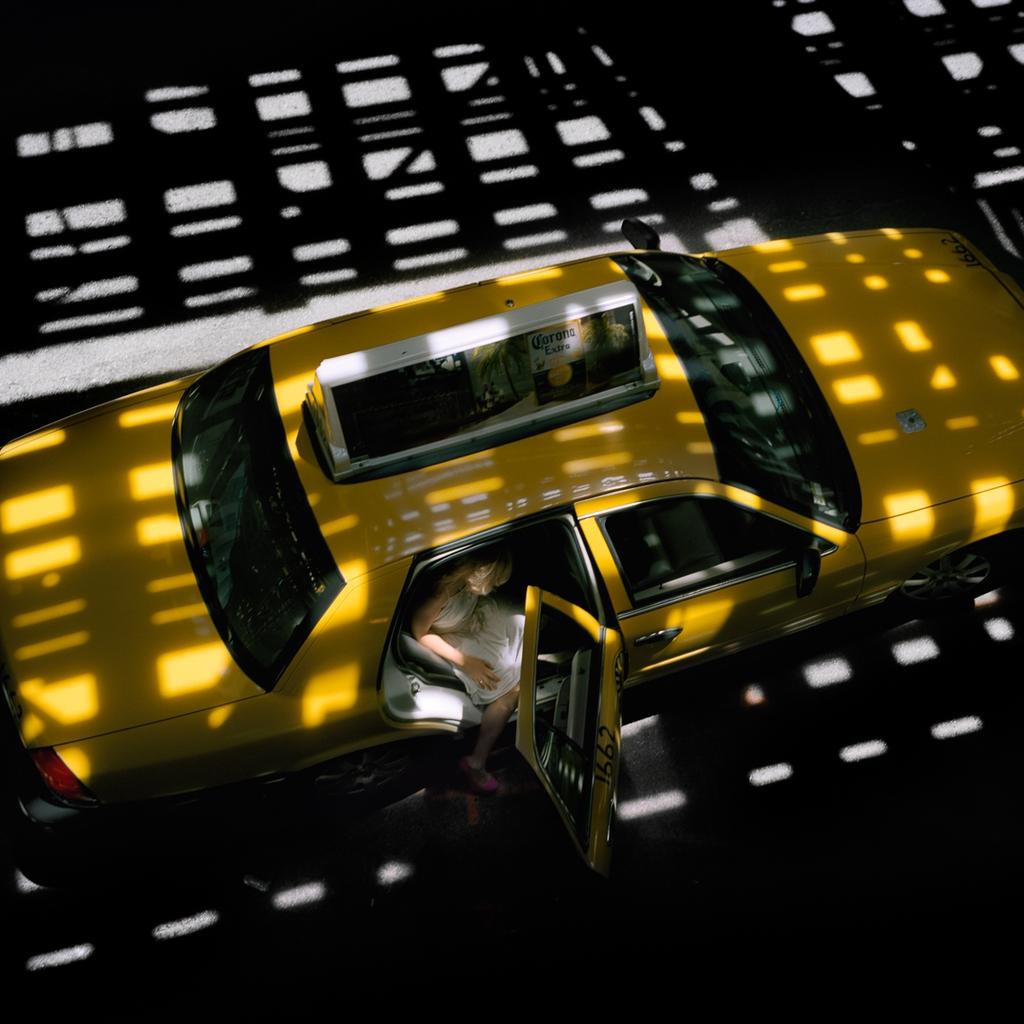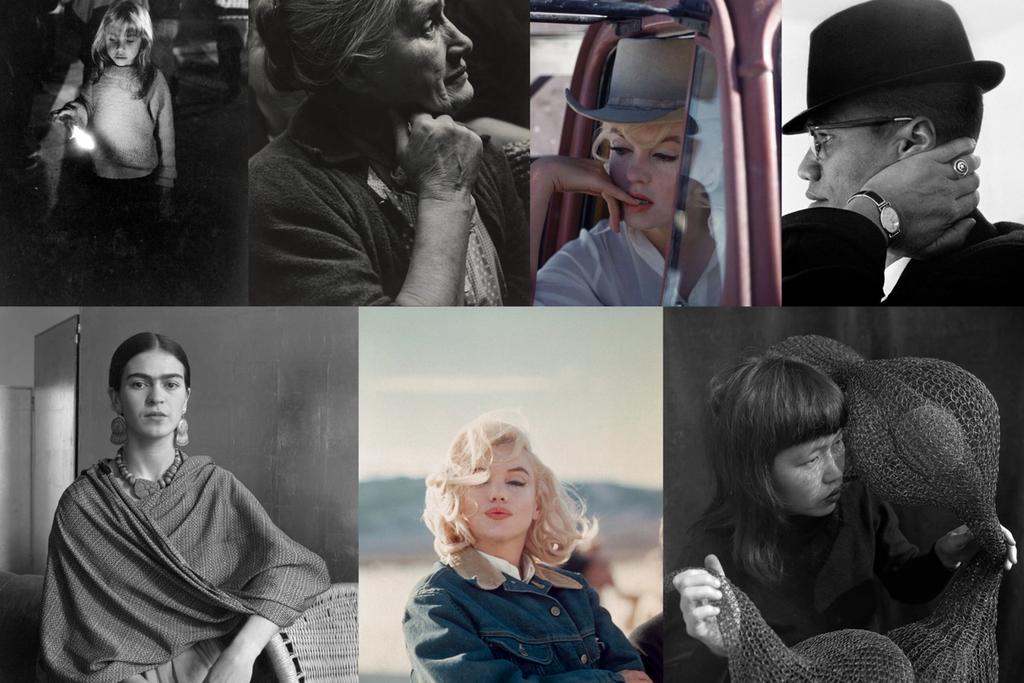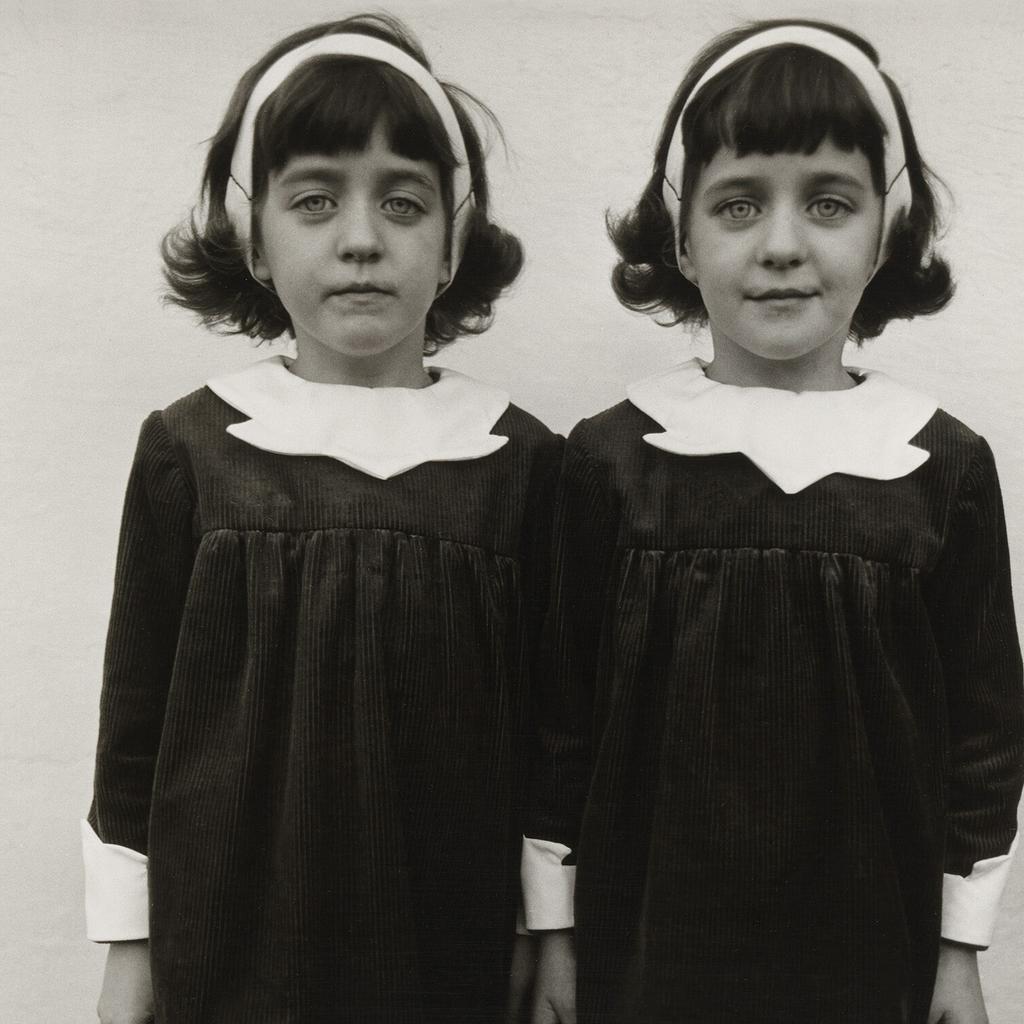
The rise of the smartphone gave street photography a second life. People began capturing what was happening around them, freezing chance moments and conveying reality without embellishment.
Losko has chosen the 5 most influential photographers in the history of the genre — artists whose work was centuries ahead of its time. Here is why.
Street Photography
The exact date the genre emerged is unknown, but photographs in this style were already being made in the late nineteenth century. At the time, large and cumbersome cameras were used — cameras that people naturally noticed. This conspicuousness undermined the very essence of the form, which is why those early images are more accurately classified as documentary or pictorialist photography. The equipment of the era also required long exposures, leaving photographers with a stark choice: capture blurred figures or wait for the street to empty. Most opted for the latter.
The twentieth century brought significant technological progress. Cameras changed, and with them the entire approach to the craft. The arrival of small mirrorless cameras on the world market made discreet, hip-level shooting possible. Images taken on such cameras no longer needed to be staged and, as a result, felt far more alive. Some photographers strove to remain invisible; others moved in close to their subjects. Each frame, ultimately, carried its own character and atmosphere.
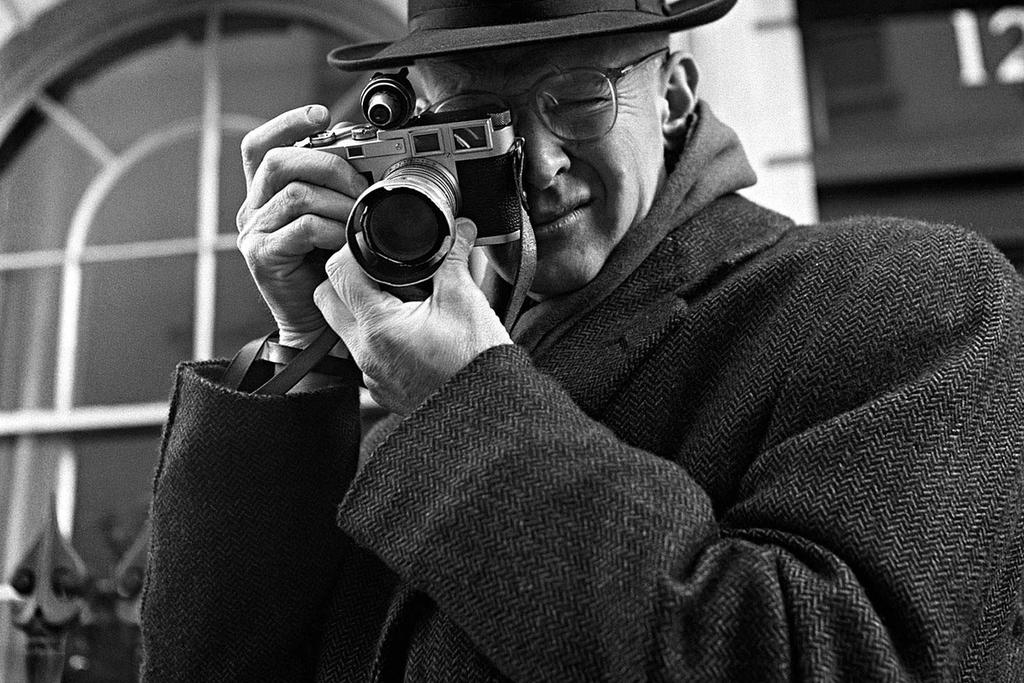
Henri Cartier-Bresson, 1908–2004 — the father of black-and-white street photography

The Frenchman Henri Cartier-Bresson is widely regarded as the founder of street photography. He came from a family of entrepreneurs, and it was the influence of his uncle that gave him an artistic education — one that would shape everything he went on to do.
The guiding principle of Bresson's practice was the need to remain invisible to those around him. He also introduced the term 'the decisive moment', which was adopted by many of his successors.
"All the mechanics of the camera — aperture, shutter speed and so on — must be operated at the level of reflex, like changing gears in a car"
He later published an essay of the same name, in which Henri reflects on his development as a photographer. Bresson photographed not only ordinary people but also many well-known figures, among them Jean-Paul Sartre, Albert Camus, Marilyn Monroe and William Faulkner.
Robert Doisneau, 1912–1994 — Bresson's contemporary and heir

Robert Doisneau, a fellow Frenchman, was both a contemporary and a natural successor to Bresson. In 1934 Doisneau took up photography professionally, working for a magazine. Five years later he left the publication and began shooting for himself, trying to make ends meet through an entirely different trade on the side. In 1949 he joined Vogue.
A year later, the Frenchman takes his most celebrated photograph — a kissing couple set against the streets of Paris. Shortly afterwards comes publication in Life and a legal dispute, as the image violated the laws of France at the time.
Throughout his life, Doisneau was not committed to any single genre, nor did he found a new movement. Some of his photographs have been likened to Surrealism, others to the avant-garde.
"There is no director who could stage scenes equal to those the street throws at us."
In 1936, colour photographic film appeared, opening new horizons for the genre and for photography as a whole. For a long time, however, it went largely unused because of its high cost. Some even considered shooting in colour to be poor taste — as though the prints themselves smacked of glossy magazine covers.
Saul Leiter, 1923–2013 — the first experiments in colour street photography

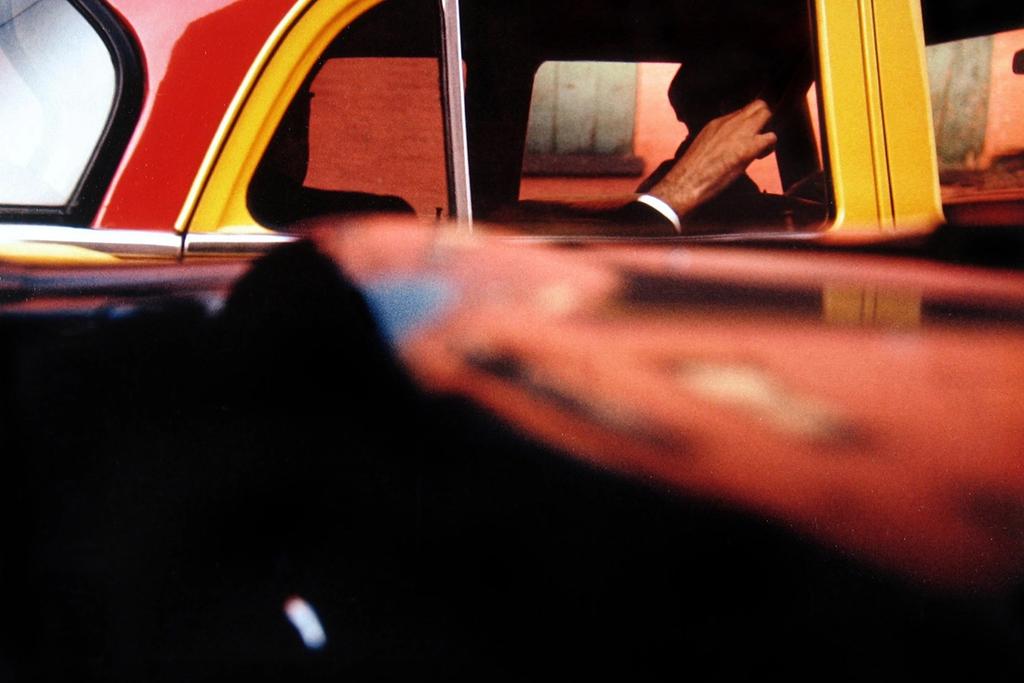
The first street photographer to begin working in colour was Saul Leiter. The world did not see his work until Leiter was 77. The artist attributed this to his own modesty, saying it was only acute financial need that compelled him to show his photographs.
"I do not try to convey any philosophy in my work, because I am not a philosopher. I am a photographer. That is all."
Notably, for a number of his works he used gouache, applying paint directly onto the film and onto finished prints.
Alex Webb (b. 1952) — a new approach to street photography

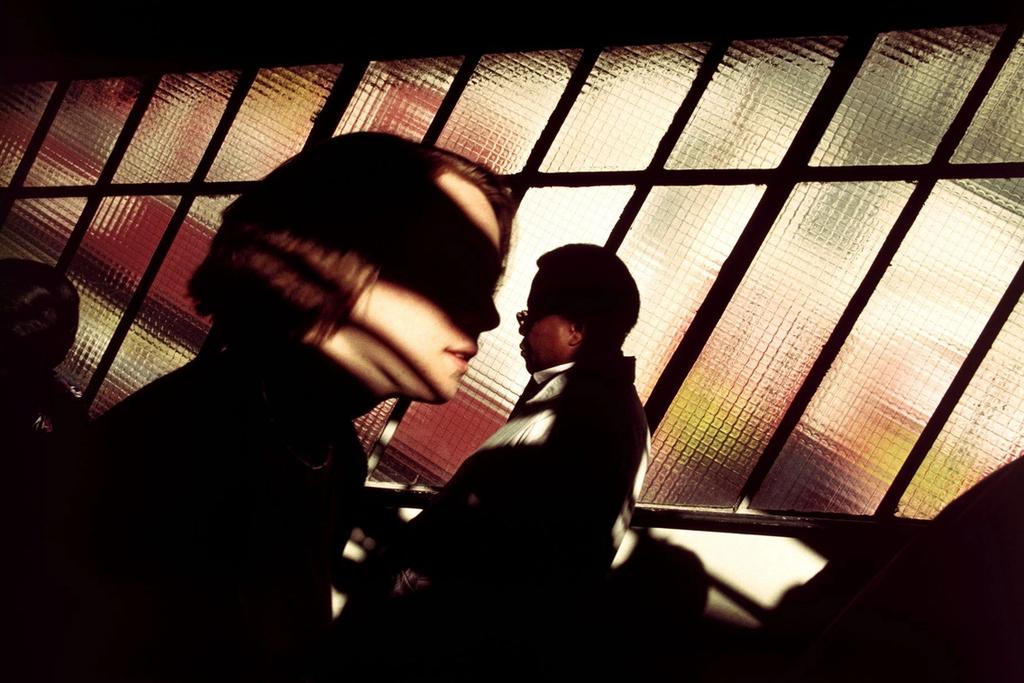
Another master of colour street photography is Alex Webb — a photographer with a wholly distinctive style and vision. The presence of foreground, middle ground and background in his images gives the viewer a sense of being physically present at the scene.
Webb is the recipient of numerous awards and the author of five books. Much of his work has been published in major American magazines. From 1979 he was a member of Magnum, the agency co-founded by Cartier-Bresson. He began by shooting on black-and-white film, but at a certain point, as Webb himself put it, he reached a "dead end" in that direction. From the late 1970s he switched entirely to colour film.
"When I started shooting street photography, I shot like Bresson — I looked for the decisive moment, I waited, and I combined interesting subjects and backgrounds. After a while I hit a wall. I had no interest in working that way. Then I stumbled across material about Bruce Gilden's work — also street photography — and I was captivated."
Stephen Shore (b. 1947) — everyday American life in colour

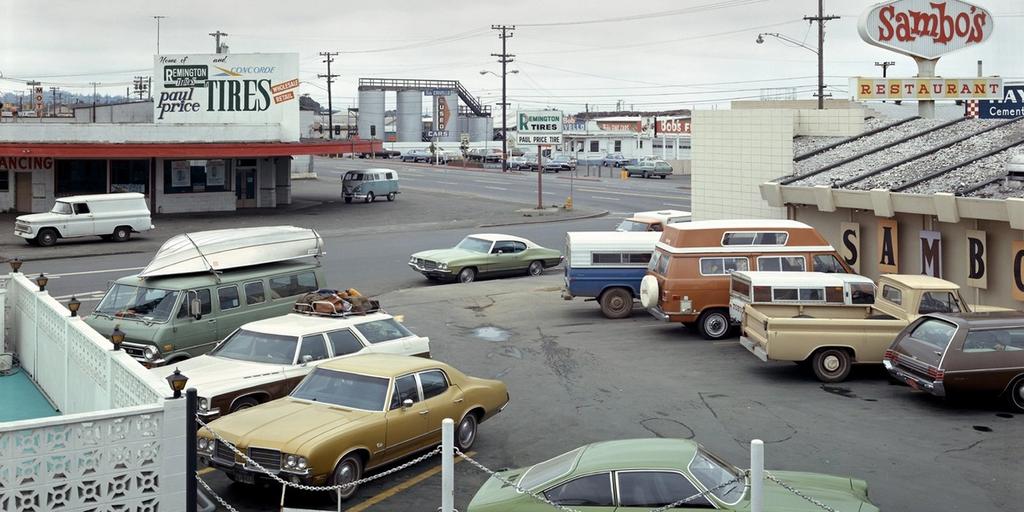
Stephen Shore — another iconic figure in street photography. He became one of the few photographers whose work was recognised during their own lifetime. His photographs have been shown in many of the world's leading galleries, including the Metropolitan Museum of Art.
Shore's choice of profession was greatly influenced by his uncle, who gave him a photo-printing kit. By the age of eleven, Steven had decided to devote his life to photography. Three years later, several of his works were acquired by Edward Steichen, head of the photography department at the Museum of Modern Art (MoMA). At twenty-three, Steven was able to mount his own solo exhibition at the institution.
Shore's best-known work is his series of postcards documenting everyday American life. Travelling across the country with a friend by car, the photographer captured everything he saw — from food to city streets.
We have highlighted what we consider the most outstanding photographers working in the genre. Some captured the horrors of war; others documented moments of peaceful everyday life. There are also innovators — Bruce Gilden and Daido Moriyama among them — who rejected established rules and forged their own. Yet the street photographer's central aim has always been, and remains, to convey the atmosphere of a place and the spirit of its time, unvarnished and exactly as it is.
If you enjoyed this piece, we recommend reading the biography of Saul Leiter, which recounts in detail his path to recognition and his distinctive approach to photography.