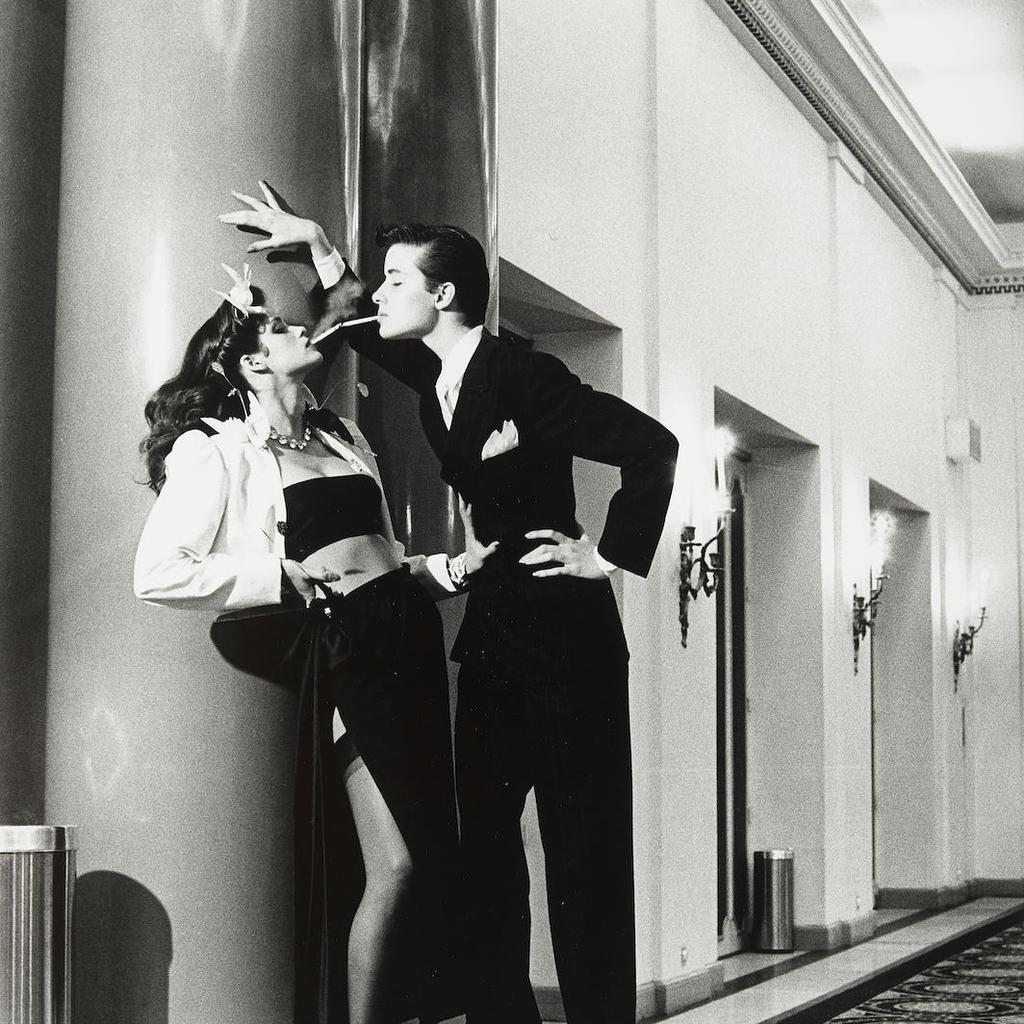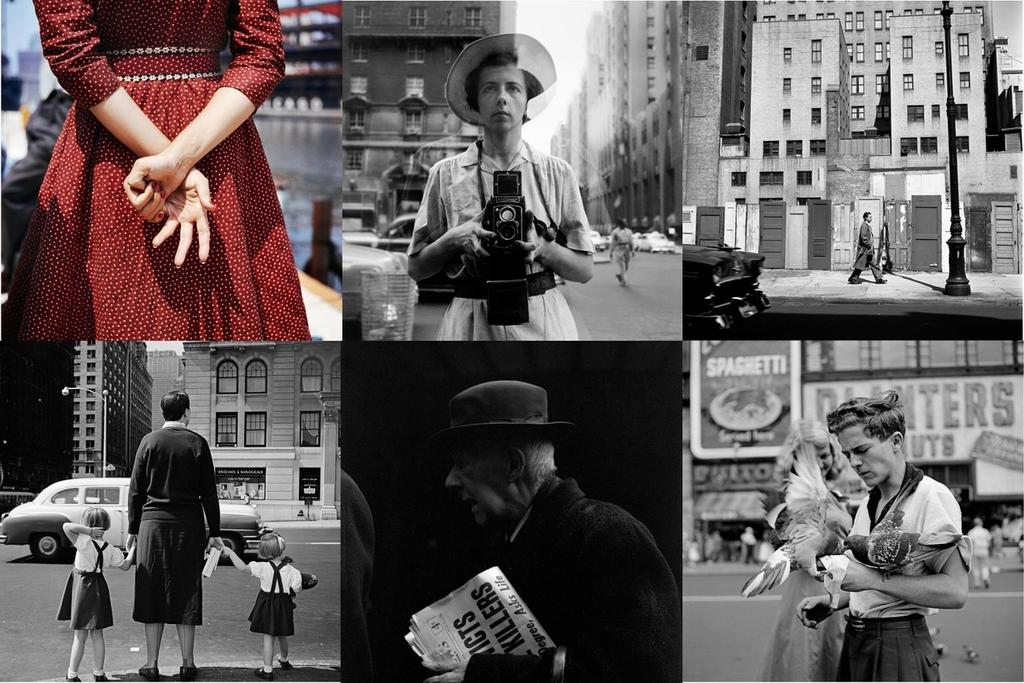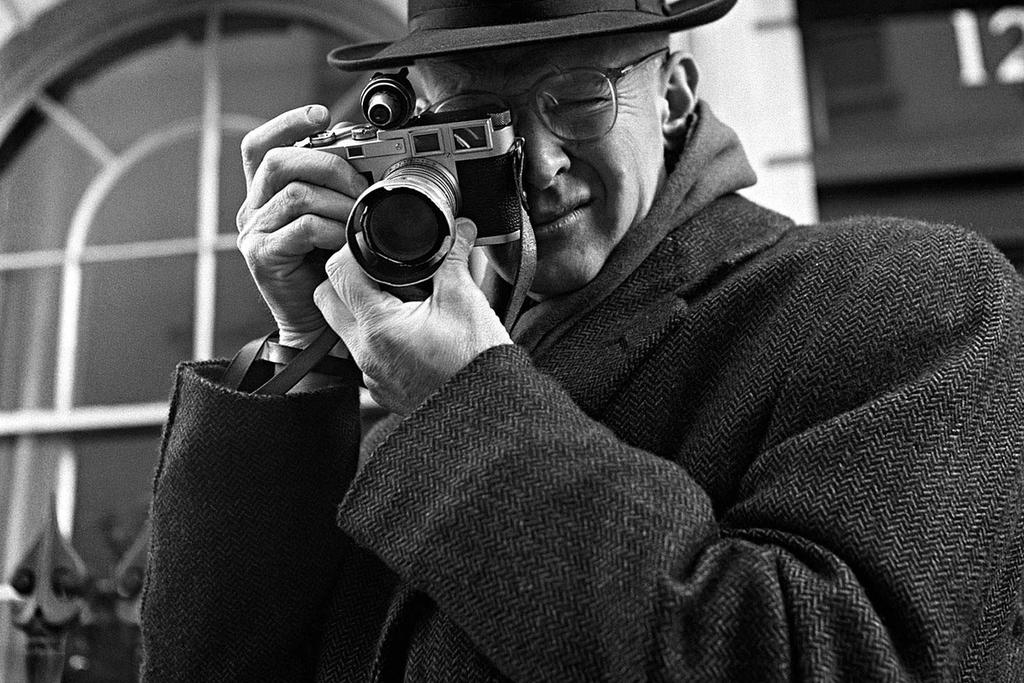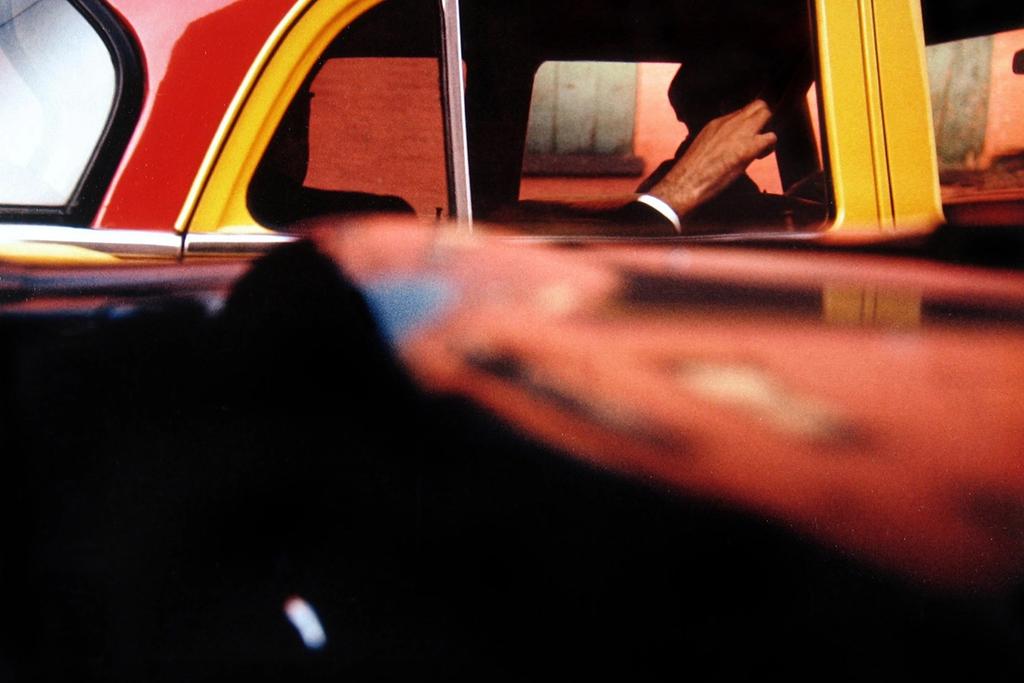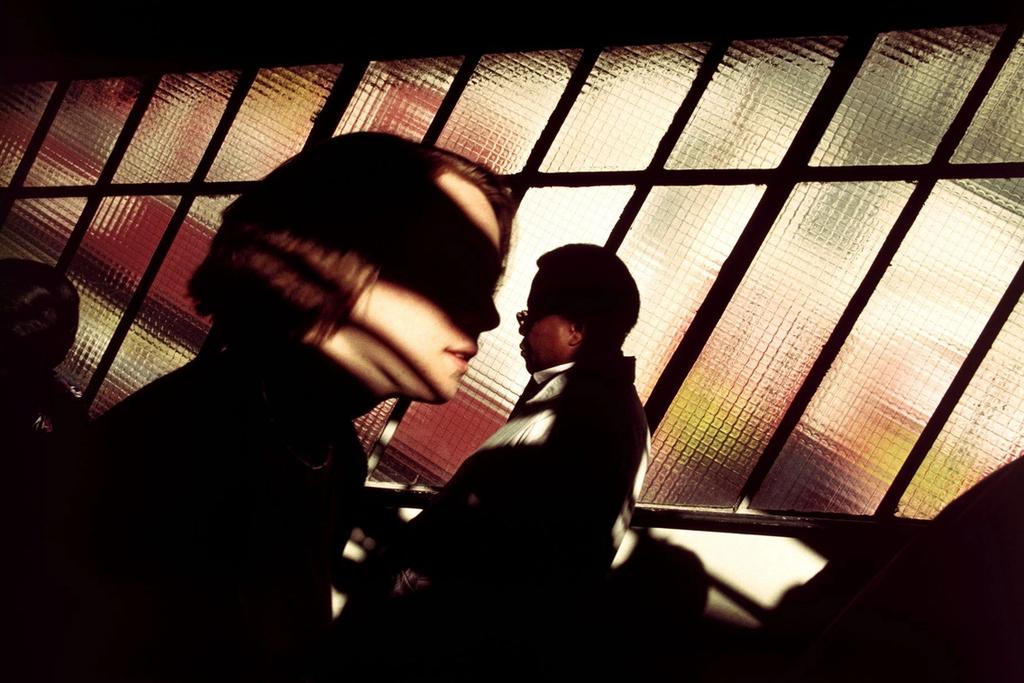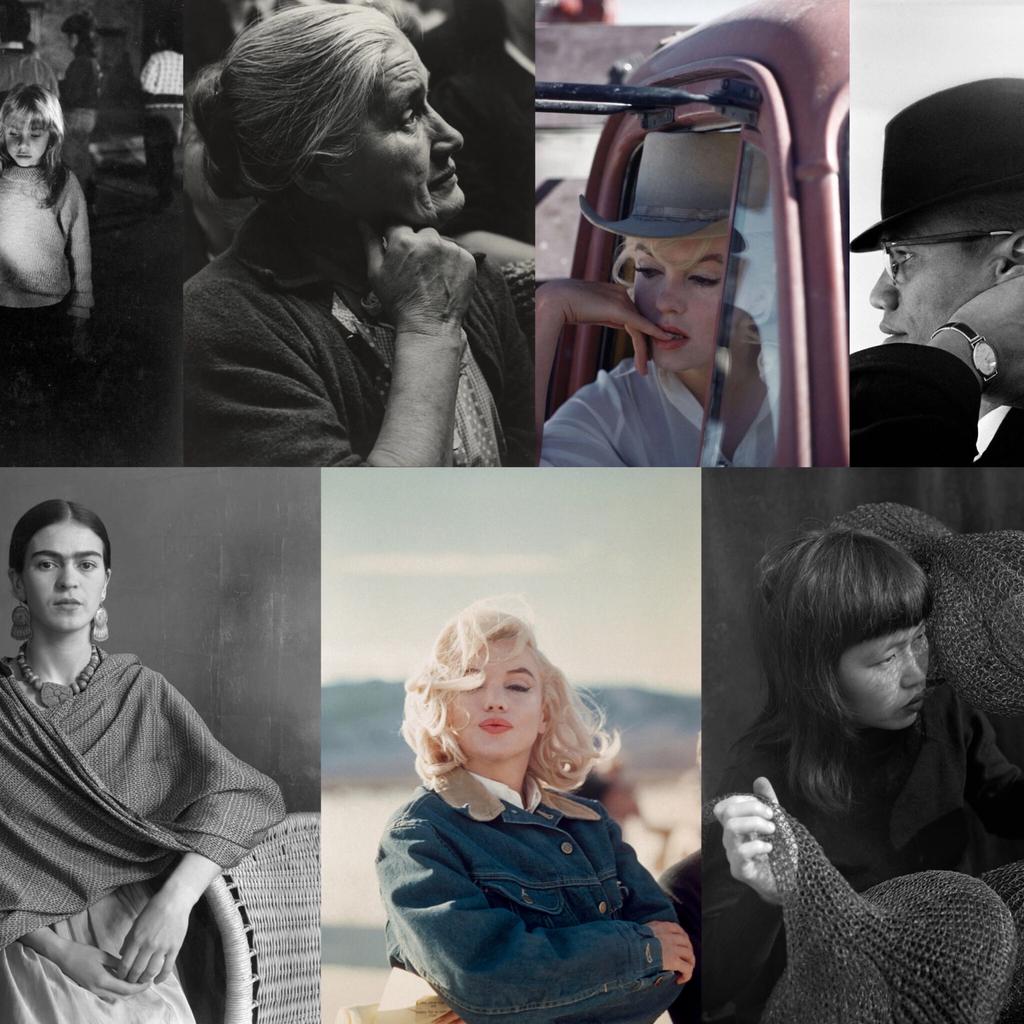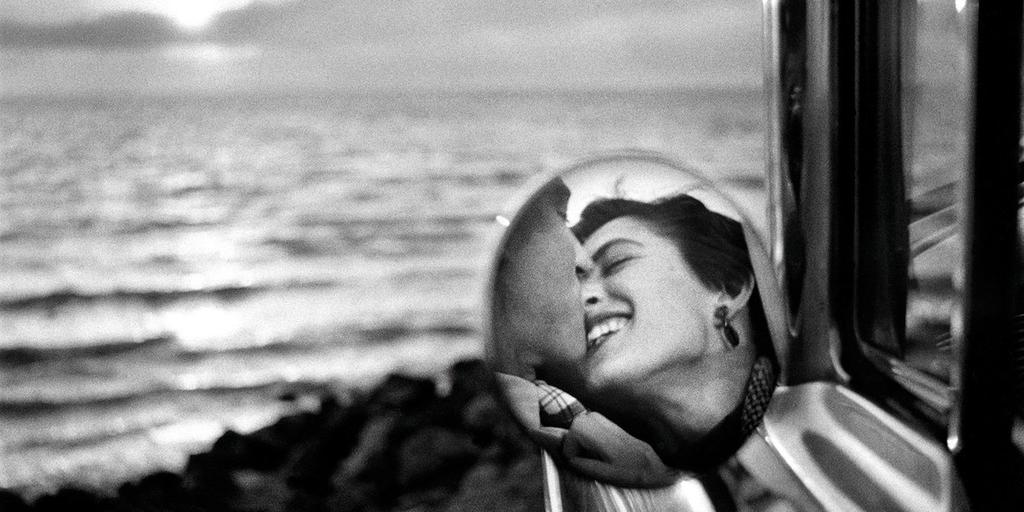
Elliott Erwitt is considered the most ironic photographer of the 21st century. He conquered the industry with a photograph of Nixon and Khrushchev that ultimately became part of the future American president's campaign advertising.
In this article you will learn:
- A photographer's journey: from amateur to president of the international photo agency Magnum;
- The right time, the right place: how to capture rare images of landmark events;
- 'Dogs won't ask to see your work…' — what Erwitt does today and why;
- Nixon's advertising campaign and the photographer's attitude towards him;
- Which celebrities have found themselves in front of the master's lens;

Personal life and childhood
Elliott was born on 26 July 1928 to a Russian-Jewish family, to Boris and Eugenia Erwitt. His father was an architect who had trained in Milan, which is why the boy spent the first ten years of his life in Italy. The outbreak of the Second World War forced the family to move to America, as far as possible from the fascist regime of the Italian leader Benito Mussolini. As an adult, Elliott would say:
'Thanks to Benito Mussolini, I am an American'
In 1941 Erwitt's parents divorced, and the boy moved with his father to Los Angeles. It was there that he developed a passion for photography. Three years later his father left for New Orleans, leaving the sixteen-year-old on his own. Elliott continued to photograph the house where they had lived, rented out rooms to lodgers and began taking commercial work to cover the rent. The commissions he took on made it possible to acquire a far more serious camera than his first antique Argus — a Rolleiflex. Erwitt considers this camera his first real one. Even at that stage he distinguished between the photographs he made for himself and those he made for money.
In the 1950s Erwitt moved to New York himself and enrolled at the New School for Social Research to study film. Despite the qualification he received, the photographer still regards it as a purely formal one, and holds to this philosophy:
'Photography is very simple. There is no great secret to it. Photography schools are a waste of time. What you need is practice — the practical application of your knowledge. I am convinced that if you have a talent for something, the only thing that matters is not to stop working. And it doesn't matter whether you get paid for it.'
Early publications and encounters
In the 1950s the Korean War broke out and Erwitt was called up to serve as an anti-aircraft gunner, but owing to an overstaffing of personnel in his unit he was assigned as a photographer in France and Germany. Elliott photographed the day-to-day lives of soldiers in the barracks, the realities of their existence and their state of mind. His shot Bed and Boredom took second place in a Life magazine competition, earning Erwitt a cash prize of $1,000.
In New York, Elliott met such celebrated photographers as Edward Steichen, Robert Capa and Roy Stryker.
Before Erwitt left for the front, Robert Capa asked him to look him up in Paris and promised to introduce his work to respected photojournalists. He kept his word: the co-founder of Magnum Photos helped the young photographer build valuable connections that would shape his future career. On returning to New York in 1953, Elliott Erwitt became an official member of the international photo agency Magnum. A year later he landed his first major commission for Holiday magazine and set off for Wyoming.
Nothing happens when you sit at home. I always carry a camera with me and photograph whatever catches my interest.
He later met many of the era's most famous figures and captured them through his lens — among them Jack Kerouac, Roald Dahl, Grace Kelly, Fidel Castro and Che Guevara. But of all his subjects, the photographer singled out Marilyn Monroe above the rest.
Moscow
In 1959, Erwitt travelled to the Soviet Union to photograph Westinghouse refrigerators at an industrial exhibition, but circumstances aligned in an unexpected way: the Vice President of the United States happened to be visiting on an official trip at the same time. Erwitt rushed to Sokolniki to be present at the meeting between Nixon and Khrushchev. There he took his most famous photograph, which came to be known as the Kitchen Debate. In the frame, the Vice President jabs his finger at the lapel of the First Secretary of the Communist Party. The photographer himself recalls:
They walked into the kitchen where I had taken up my position, and they were essentially posing right in front of me. Luck matters in photography — it is one of the fundamental requirements.

The Kitchen Debate would go on to feature in Nixon's election campaign, though Erwitt himself viewed that with distaste:
I photographed Nixon many times in many situations. What do I think of him? I never gave it much thought, really. I lived in California, where he launched his political career at people's expense. And I formed my own opinion. He ran against a woman. It was the dirtiest and most repellent campaign he ever won. And I thought that people would now see him as someone capable of that kind of thing.
Elliott had in fact visited Moscow earlier, in 1957, on assignment for Holiday magazine. He was one of the few Western photographers permitted to photograph the parade marking the anniversary of the October Revolution — at which intercontinental ballistic missiles were displayed for the first time. Aware of how significant the images in his hands were, he developed them immediately in his hotel room. The photographs caused a genuine sensation: they appeared on the cover of Time, and were published in Life, Holiday and other leading titles.
In the mid-1960s, French President Charles de Gaulle paid a friendly visit to Moscow, with the aim of concluding an agreement to expand political, economic and cultural ties. The official proceedings quickly bored Elliott Erwitt, who was present throughout. He even left at one point, but a feeling that he was missing something brought him back. By the time the photographer returned to the meeting room, the atmosphere had shifted from formal ceremony to an informal, collegial exchange between the two leaders. It was precisely this mood that Erwitt captured in his photographs, one of which became the cover of Paris Match.
Career
In 1968, Elliott Erwitt was appointed President of Magnum Photos, a position he held for three terms. Despite the prestige of the role, the master continued to draw a distinction between professional and amateur photography, connecting the latter with the word love — without the slightest embarrassment. Elliott was an outspoken opponent of digital photography and retouching; he never gave his works titles, believing that doing so was tantamount to explaining a joke: the moment you explain it, it dies. He was also against posing, and put it this way:
I have nothing against staging as such — a photographer undeniably has a certain power over their subject — but why ask people to do silly things when they are perfectly capable of doing them on their own?
Alongside photography, Elliott also pursued his interest in cinema, directing three films: Beauty Knows No Pain (1971), Red, White and Bluegrass (1973), and Glass Makers of Heart, Afghanistan (1977). Today he has remarked that were it not for the alimony he is obliged to pay his former wives, he would have made far more films. More than 15 books of his work have also been published, including Son of a Bitch (1974), Personal Exposures (1988), On the Beach (1991), Dogs Dogs (1999), Snaps (2001), and many others.
Photographic style
At the age of 24, Elliott photographed his wife lying beside their newborn child. The image was included in Edward Steichen's landmark 1956 exhibition The Family of Man. The picture captures his ability to record fleeting moments of tenderness with genuine warmth and sincerity. He has a rare gift for catching the touching instants that we might otherwise overlook in everyday life.


Further proof of this lies in his photograph of Jacqueline Kennedy at the funeral of the assassinated president. At Arlington Cemetery, Erwitt managed to capture not a nation's leader being mourned by his wife, but a husband and father beloved by the woman saying goodbye to him.
I took a moving photograph of a grieving widow and her brother-in-law. What set the situation apart from other touching and special images — and there were many — was a single teardrop caught in her veil. That detail made the picture stand out from the rest.
Erwitt travelled through Japan, Pakistan, Mexico, Nicaragua and Cuba. From those distant countries he brought back photographs recording the sometimes touching, sometimes comic and absurd moments of people's lives.
The photographer today
Elliott Erwitt is currently 93 years old and continues to live and work in New York. For many years now his attention has been focused on dogs. He has said that dogs are responsive creatures you can encounter anywhere — they are just like people, except they never ask when the photos will be ready. His affection for four-legged companions runs so deep that in 2016 he brought back a dog from Cuba that had attached itself to him and followed him around for days.
To this day the photographer retains his love of and warmth towards the world, remaining the ironic, life-embracing figure he has always been. His masterclasses unfold in an easy, relaxed atmosphere, filled with his humour. Erwitt never explains his work; he offers observations or recounts the story behind a picture. Tom Jacobi, art director of Photo, once said: "Once you get to know Elliott, you'll want to hug him. Not just like that — but in return." That remark captures him more completely than any other — not only as a photographer, but as a person.
Notable works
Lesser-known photographs
Worth noting:
- Although the photographer continues to work to this day, he explains it as financial pressure — an inevitable consequence of his four ex-wives and six children — rather than any creative impulse.
- Erwitt took his personal shots on a Leica M3 with a standard 50mm lens. For film he preferred Kodak Tri-X or Ilford HP4;
- He has an official website where you can view all of his work
- There are numerous lectures and interviews with the photographer available on YouTube.
- Elliott Erwitt also has an Instagram where his work appears fairly regularly
We have curated selections for those whose interests extend beyond photography. If that sounds like you, take a look at our features on design books and architecture and urbanism, as well as fine art.
Follow us on social media so you never miss a new piece: Telegram.